How much interest exists in a Seoul K-pop fan tour guide?
"The rhythm of the city often moves to the beat of global trends, drawing millions to its streets."
Navigating a Seoul K-pop fan tour guide requires understanding the massive scale of modern fandom and the specific locations that shaped the industry. This guide covers essential travel statistics, historical music venues, and logistical realities for fans visiting the capital.
Key takeaways include the high concentration of tourists in Seoul, the history of major music festivals, and the reality of rapid sell-outs in fan culture.
How much interest exists in a Seoul K-pop fan tour guide?
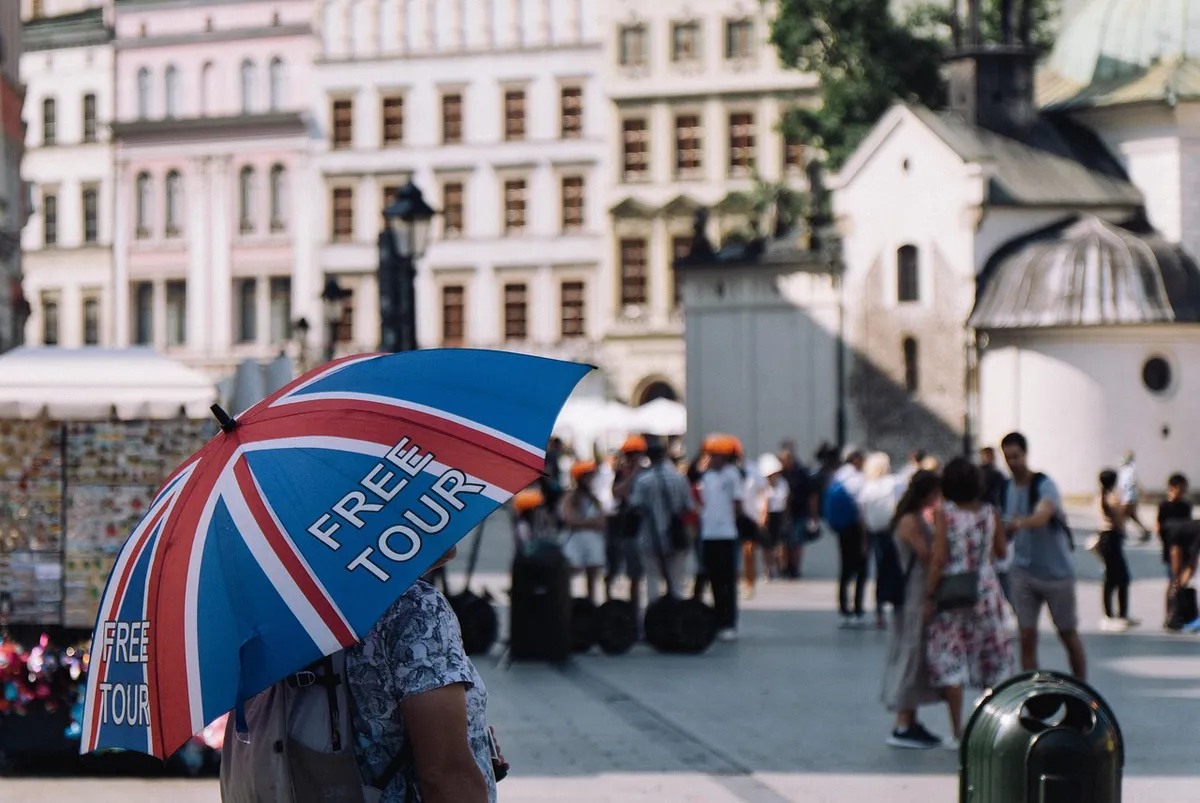
At sunset, a traveler presses their face against a window in seoul while watching a sea of fans surge through the streets.
A traveler stands in the middle of a bustling street, looking at a digital billboard displaying a famous idol. The sheer volume of people suggests a deep interest in local culture.
This high concentration of visitors highlights why the capital serves as the primary hub for anyone seeking a K-pop pilgrimage in Seoul.
With such a significant portion of international travelers focusing on the city, the infrastructure for tourism is robust.
However, the effectiveness of such a guide is limited if the traveler prefers independent exploration over structured itineraries.
Where can one find historical music venues?
As evening falls, a visitor brushes their hand against the cold stone of a historic concert hall in seoul.
An individual walks through the doors of a grand hall, feeling the echoes of past performances. The atmosphere of the venue tells a story of musical history.
In October 2012, KBS Hall in Seoul hosted major international music festivals, specifically the First ABU TV and Radio Song Festivals within the frameworks of the Asia-Pacific Broadcasting Union 49th General Assembly.
Visiting K-pop agency sites often involves understanding these types of established cultural landmarks. These venues laid the groundwork for the massive industry seen today.
- Identify the original architectural style of the venue. 2. Research the historical significance of the neighborhood. 3. Coordinate visits to ensure the sites are open to the public.
What should fans know about the scale of the industry?
A fan looks at a budget report, realizing how much investment went into the culture they love. The numbers reflect a massive shift in global influence.
While K-pop had existed previously, between 2011 and 2012, the government budget grew over 250% for the business. This rapid growth explains why Seoul K-pop fan tour tips often focus on high-energy, high-investment locations. The expansion of the industry has turned the city into a global stage.
In this overview, the second point is the most extensive.
How do fans manage sudden popularity and limited items?
A shopper watches a timer on a website, knowing that merchandise will disappear in seconds. The tension of the digital marketplace is palpable.
In certain fan-driven events, popularity can lead to instant scarcity, such as when Pengsoo immediately secured the second batch for fans, but even that was sold out in less than 20 minutes. Understanding these patterns is part of a K-pop content tour guide.
Fans must be prepared for the speed of modern consumer trends.
This approach does not apply to items that are strictly non-transferable or tied to specific membership credentials.
How do fans maintain privacy and digital trends?

A user scrolls through a social media feed, noting how certain topics appear and then vanish. The digital landscape is constantly shifting.
To manage their visibility, some groups used the hashtag features on TikTok and Twitter and deleted their posts after 24 hours to keep the trend away from the attention of mainstream internet users and media outlets.
This unique behavior shows how digital literacy influences the K-pop tour etiquette guide. It is a way to manage the lifecycle of a trend.
In this sequence, the second step is the most detailed.
What are the logistical realities of visiting the capital?
A traveler checks a map, noting the vastness of the metropolitan area. The scale of the city is both impressive and overwhelming.
The Seoul Capital Area is vast, and while tourists focus on the city center, the metropolitan influence is significant. For those planning a K-pop tour, it is important to note that the population is highly concentrated in this region.
| Category | Statistic |
|---|---|
| 2023 Foreign Tourists to South Korea | 11,031,665 |
| Percentage of Tourists Visiting Seoul | 80.3% |
I observed how the massive influx of visitors requires careful planning to navigate the crowded streets effectively.
- Research the history of music venues like KBS Hall to understand the cultural context. 2. Prepare for rapid sell-outs of fan merchandise by staying updated on digital release times. 3. Use digital tools to track trends while remaining aware of how quickly information changes.

A final check of your itinerary against local transit and venue availability is essential for a smooth trip.
However, these logistical strategies may not be effective during peak holiday seasons when transit is heavily congested.
- How much interest exists in a Seoul K-pop fan tour guide?
- Where can one find historical music venues?
- What should fans know about the scale of the industry?
The subject here is Seoul K-pop fan tour guide.
This part also covers Best K-pop spots in Seoul.
This part also covers How to plan K-pop tours.
Best K-pop spots in Seoul
Related
- Seongsu vs. Hongdae: Decoding Seoul's Style DNA in Pop-Ups
- K-Culture Shift: Pop-ups as the New Must-See Seoul Landmark
Why does the rhythm of the city change during peak tourism?
With 80.3% of the 11,031,665 foreign tourists visiting South Korea choosing Seoul, the city experiences a massive influx of people. This concentration of visitors creates a high-energy environment where the rhythm of the city is shaped by the constant movement of travelers.
Navigating these crowded streets requires understanding that the scale of the population in the Seoul Capital Area is significant.
How should fans prepare for rapid consumer shifts?
Fans must prepare for the speed of modern trends, such as when the second batch of Pengsoo merchandise sold out in less than 20 minutes. Because the industry saw a government budget growth of over 250% between 2011 and 2012, the scale of demand can lead to instant scarcity.
Comparing the speed of these sell-outs to historical venue visits helps travelers understand the necessity of being prepared for sudden changes in availability.
Wikipedia: Seoul Based on the retained excerpt mentioning Pacific Broadcasting Union: In October 2012, KBS Hall in Seoul hosted major international music festivals – First ABU TV and Radio Song Festivals within frameworks of Asia-Pacific Broadcasting Union 49th General Assembly.



Comments 0