3 Itineraries for Seongsu-dong: Cafe, Shop, or Culture Focus
Discover the hidden gems of Seongsu-dong, where K-Culture's cutting edge meets Seoul's unique urban pulse.
Seongsu-dong is the epicenter of Seoul's trend-setting lifestyle, blending industrial history with modern K-Culture.
This guide maps out the best cafes, pop-ups, and unique shops to capture the current "Seoul Vibe." Navigate your visit with curated itineraries tailored for deep immersion into contemporary Korean aesthetics.
* Seongsu-dong is the epicenter of Seoul's trend-setting lifestyle, blending industrial history with modern K-Culture. * This guide maps out the best cafes, pop-ups, and unique shops to capture the current "Seoul Vibe." * Navigate your visit with curated itineraries tailored for deep immersion into contemporary Korean aesthetics.
Why is Seongsu-dong so magnetic?
I stood at the corner of Yeonmujang-gil, squinting against the afternoon sun as a massive, sleek glass building rose directly next to a crumbling red-brick warehouse.
Seongsu-dong has undergone a radical transformation, evolving from a gritty industrial district of shoe factories and printing shops into the most sought-after "hipster haven" in South Korea.
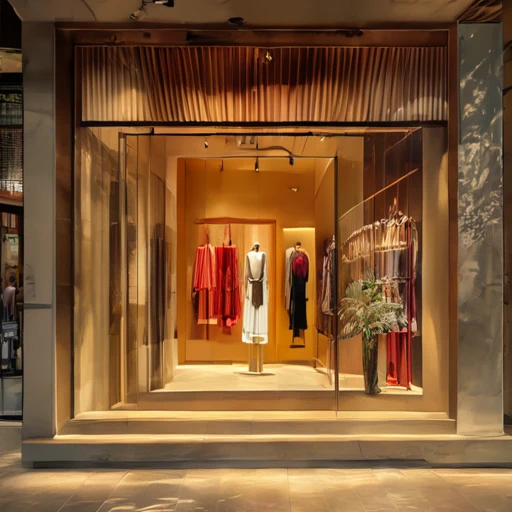
In the past, this area was defined by heavy machinery and manual labor, but today, those very same brick walls and high ceilings serve as the backdrop for luxury flagship stores and avant-garde cafes.
This convergence of vintage architecture and cutting-edge K-Lifestyle is what makes the neighborhood so magnetic.
This shift is a perfect microcosm of how modern South Korean trends work. Just as the country has rapidly modernized while maintaining deep-rooted traditions, Seongso preserves its industrial bones while layering on a sophisticated, global aesthetic.
It represents the current pulse of Seoul—where the old is not demolished, but rather reimagined through a lens of high design.
*Actionable Tip: When walking through the neighborhood, look for the contrast between heavy iron doors and minimalist glass storefronts; that intersection is where the true Seongsu magic lives.*
But how do you actually spend a day here without getting lost in the sheer variety of choices?
What is the perfect day trip itinerary?
I sat at a cold metal table in the morning light, watching the steam rise from a freshly poured latte.
I sat at a small, metal table in a converted workshop, watching a barista carefully pour milk into a latte while a group of stylishly dressed locals debated the latest fashion drop nearby. The energy was electric but strangely relaxed, a perfect balance of productivity and leisure.
To make the most of your time, you should choose an itinerary that aligns with your specific travel goals. Because the neighborhood is so dense with activity, a structured plan prevents you from feeling overwhelmed by the sheer number of choices.
Option A: The Cafe Hopper (Focus on Aesthetic & Instagrammability) * 10:00 AM: The Morning Ritual. Start at a large-scale cafe housed in a former factory. These spaces often feature massive windows and high ceilings that provide a dramatic backdrop for photography. * 1:00 PM: The Hidden Gem. Move away from the main Yeonmujang-gil street into the smaller alleys to find "micro-cafes." These are often single-room spaces focused on a specific craft, like artisanal pour-overs or specialized desserts. * 4:00 PM: The Dessert Finale. Visit a concept cafe that doubles as an art gallery or a floral studio to wrap up your caffeine-fueled journey.
Option B: The Shopper's Delight (Focus on Limited-Run Finds) * 11:00 AM: Flagship Exploration. Visit the major brand flagship stores that have taken over renovated warehouses. These stores often feature exclusive decor you won't find anywhere else. * 2:00 PM: The Pop-Up Hunt. Spend your afternoon wandering through temporary installations. In Seongsu, brands frequently host week-long pop-up shops that offer limited-edition merchandise. * 5:00 PM: Concept Store Browsing. End your day at a multi-brand select shop that curates local Korean designer labels.
Option C: The Deep Dive (Focus on History & Culture) * 11:00 AM: Industrial Heritage Walk. Begin by visiting the remaining traditional workshops to understand the neighborhood's roots. * 2:00 PM: Design Studio Hopping. Visit local furniture makers or craft studios that have moved into the area, seeing how they use the space for both production and retail. * 5:00 PM: K-Food Immersion. End the day with a heavy, flavorful meal at a local restaurant that uses the industrial setting to create a unique dining atmosphere.
| Itinerary Type | Primary Focus | Best For... |
|---|---|---|
| Cafe Hopper | Visual Aesthetics | Photography enthusiasts & social media creators |
| Shopper's Delight | Fashion & Trends | Trend-seekers & collectors of unique goods |
| Deep Dive | History & Craft | Culture seekers & design students |
However, there is a catch to following these plans too strictly.
What else does Seongsu offer beyond cafes?
I wandered down a narrow alleyway where a small workshop was still making leather goods by hand, the rhythmic tapping of a hammer echoing against the brick walls. Just a few meters away, a sleek, minimalist boutique was hosting a silent fashion show.
It was a jarring but beautiful juxtaposition of the old world and the new.
While the cafes often grab the headlines, the true soul of Seongsu-dong lies in its ability to host a "pop-up economy." This is a neighborhood where nothing is permanent, and that transience is exactly what keeps people coming back.
You will constantly find temporary installations that turn a single building into a multi-sensational experience for just a few days.
The K-Culture link is also incredibly strong here. Many K-Pop idols and K-Drama stars are known to frequent these specific streets, and you might find yourself in a space that was recently featured in a music video or a high-fashion editorial.
The aesthetic of Seongsu—raw, edgy, and sophisticated—is often the visual inspiration for the "cool" side of Korean pop culture.
* Local Artisans: Look for small-scale producers who have kept their workshops in the area. Some have transitioned into hybrid spaces where you can watch them work and then buy their products. * The Pop-Up Economy: Always check social media or local signage for temporary installations. These are often the highlights of a trip, offering experiences that won't exist by the time you return to Seoul. * Repurposed Spaces: The architecture itself is a museum of urban renewal. The blend of old factory structures with modern interior design is a constant source of discovery.
But you can't just wander aimlessly and expect to hit every highlight.
How do you navigate Seoul like a local?
I pulled out my phone to check the subway map, realizing that the transition from the quiet, traditional streets of nearby Bukchon to the bustling, high-tech energy of Seongsu was much easier than I had anticipated.
According to World Bank, South Korea recorded international tourist arrivals of 2,519,000 in 2020.
According to World Bank data, South-Korea recorded international tourist arrivals of 2,519,000 in 2020.
The transit system made the leap between different "versions" of Seoul feel seamless.
Getting to Seongsu-dong is straightforward. It is well-served by the Seoul Subway system, typically accessible via Seongsu Station (Line 2) or Ttukseom Station (Line 2).
Because Line 2 is a major loop line, you can reach the area easily from almost any major hub in the city, including Hongdae or Gangnam.
To navigate like a local, you should keep a few things in mind:
- The "Seoul Mindset": Understand that trends in Seongsu move incredibly fast. A shop that is the "place to be" this week might be gone by next month. Embrace the fleeting nature of the neighborhood.
- Essential Apps: Do not rely solely on global maps. Download Naver Map or KakaoMap for accurate walking directions and transit timings. For translation, Papago is widely considered the most reliable tool for Korean nuances.
- Payment Culture: While most cafes and shops in Seongsu accept international credit cards, having a T-money card (for transit and some convenience stores) is essential. Most places are cashless, but small artisanal workshops might still prefer local methods.
Wait, there is one more thing you need to consider before you pack your bags.
What is the real difference between Seongsu and other spots?
I sat on a bench in a nearby park, looking at my notes and comparing the energy of Seongsu to the youthful, loud streets of Hongdae I had visited the day before. They were both "cool," but they felt like they belonged to entirely different worlds.
If you are trying to decide whether to spend your time in Seongsu-dong or another famous neighborhood, use this quick comparison to guide your choice.
* Seongsu-dong vs. Hongdae: Hongdae is characterized by youthful energy, street performances, and a more rebellious, student-centric vibe. Seongsu-dong is more polished, focusing on high-end design, fashion, and a sophisticated "adult" version of hipness. Choose Seongsu if you want aesthetic perfection; choose Hongdae if you want high-energy nightlife. * Seongsu-dong vs. Ikseon-dong: Ikseon-dong is centered around traditional Hanok (Korean house) architecture and feels more like a quaint, historical maze. Seongsu is industrial and modern. Choose Seongso for an urban, edgy feel; choose Ikseon-dong for a nostalgic, traditional vibe.
It is important to note that Seongsu is not for everyone. If you prefer quiet, contemplative parks or strictly traditional historical sites, the constant buzz of pop-ups and the industrial grit might feel overwhelming.
The high density of people and the fast-paced trend cycle can be exhausting if you are looking for a slow-paced retreat.



Comments 0