Choosing Your Stay: 3 Districts for a Perfect City Trip
"The city's pulse changes depending on which street you wake up to."
Choosing where to stay in a massive metropolis isn't just about finding a bed; it is about designing your daily itinerary and managing your energy. In 2026, as urban centers grow more complex, selecting the right neighborhood acts as the blueprint for your entire trip.
* Purpose-Driven Selection: Shopping (Myeong-dong) vs. Youthful Energy (Hongdae) vs. Business & Luxury (Gangnam) * Transit Efficiency: Balancing subway accessibility with proximity to major landmarks * Atmospheric Vibe: Understanding the unique nighttime character of each district
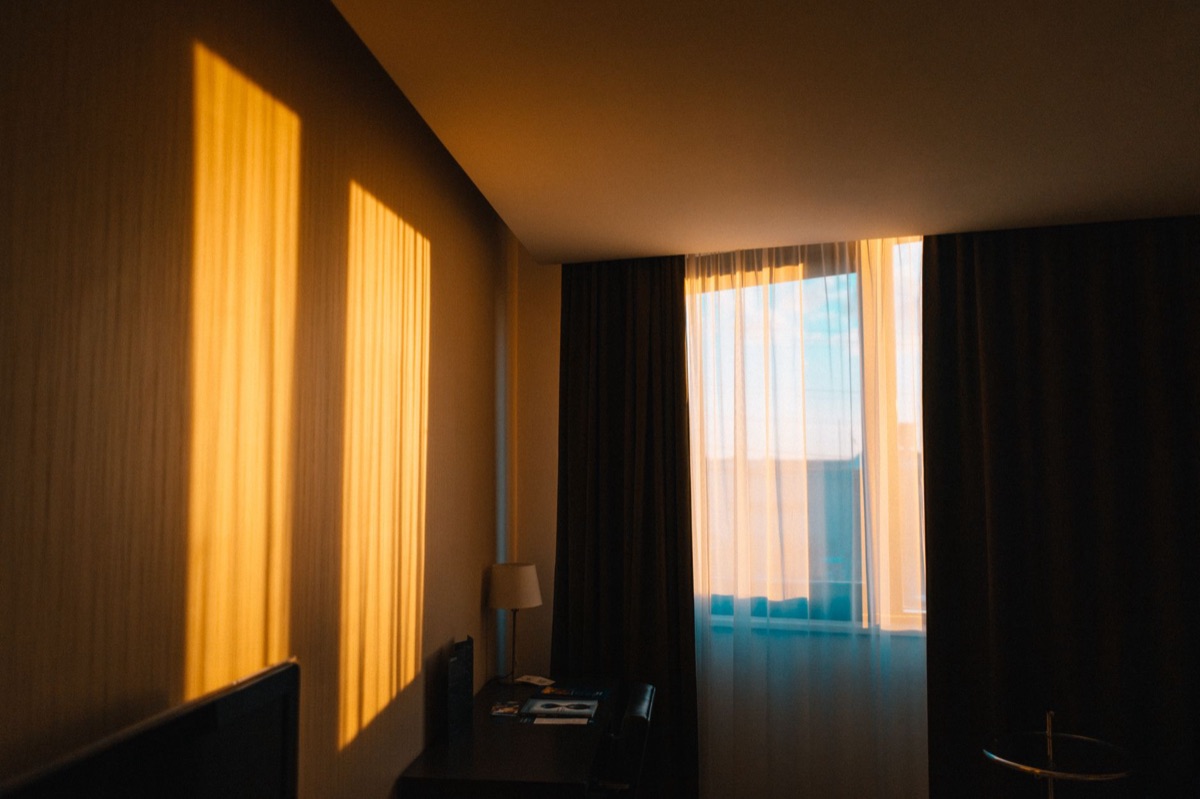
Where should I stay for the perfect trip? It is 2:00 PM on a sweltering August afternoon in 2026, and you are standing at a crowded transit hub, tugging at the handle of a heavy 50-pound suitcase. The sheer scale of the city feels overwhelming as you stare at a digital map flickering with 5,000 hotel pins.
According to World Bank data, South Korea recorded international tourist arrivals of 2,519,000 in 2020.
The city is a massive sprawl, roughly 233.69 square miles, often divided into northern and southern halves by a major river. Deciding where to settle in this vast space determines whether your trip feels like a seamless adventure or a constant battle against transit times.
For some, the bustling markets and shopping corridors might be the primary draw. For others, an artistic, bohemian vibe or a polished, high-end skyline might be more appealing. Your travel style dictates which neighborhood will feel like home.
| Neighborhood | Primary Vibe | Best For |
|---|---|---|
| Myeong-dong | Shopping, Tradition, Tourism | First-time visitors, shoppers |
| Hongdae | Nightlife, Arts, Youth Culture | Young travelers, music lovers |
| Gangnam | Business, Luxury, Modernity | Business travelers, luxury seekers |
However, choosing a spot solely based on a single attraction might lead to unexpected challenges.
Why is the shopping district always so crowded?
Walking into the heart of the shopping district, the scent of grilled street food hits you instantly, mingling with the glow of 200 neon signs and the constant hum of moving crowds.
The narrow alleys are packed with people, creating a sense of constant, vibrant motion that makes you feel like you are at the very center of the world.
This area acts as the city's heartbeat. It is often located near historic palaces and traditional gates, allowing travelers to experience a blend of old-world charm and modern retail therapy. It is a paradise for those looking to hit 15 major flagship stores or local boutiques in a single afternoon.
The greatest advantage here is accessibility. Major subway lines often run through this hub, making it easy to reach historic sites or transit hubs. It is often the most logical choice for those who want to be in the thick of the action.
But if you focus only on the shopping, you might find yourself missing out on the quieter, more soulful parts of the city.
Why is the university district so magnetic? As the sun sets, you step into a street filled with live music, where buskers perform under streetlights and crowds of 500 people dance to a rhythmic beat.
The air is thick with creativity, from quirky independent cafes to late-night art galleries, creating an atmosphere that feels perpetually young.
This district is the epicenter of local energy. From cozy, narrow alleys filled with boutique shops to trendy cafe streets, every corner offers a new source of inspiration. It is also often well-connected to major airport express lines, making it a breeze to reach after a long flight.
This area is perfect for travelers who want to stay out late and experience a vibrant nightlife. However, keep in mind that weekend nights can be incredibly loud and crowded, which might not suit everyone.
Once the music fades and the crowds thin, those looking for a more polished environment might find themselves looking elsewhere.
What is the real difference in the high-end business district?
Looking out from a high-rise window, you see a forest of glass towers and smooth, wide boulevards where sleek vehicles glide through the streets. The sight of professionals in sharp attire moving between luxury shopping malls reveals a sophisticated, modern side of the city.
This district is the center of commerce and high-end trends. It is home to luxury hotels, fine dining, and massive department stores, making it ideal for travelers who prioritize comfort and prestige.
It is also a highly efficient choice for those visiting for corporate meetings or large-scale conventions.
The area is a major transit hub where multiple subway lines intersect, offering easy movement across the city. However, lodging costs can be significantly higher here, and it is often physically further from the historic landmarks.
I remember moving between different neighborhoods during my own travels; I realized that travel fatigue isn't caused by distance, but by how far you have to walk from the station to your door.
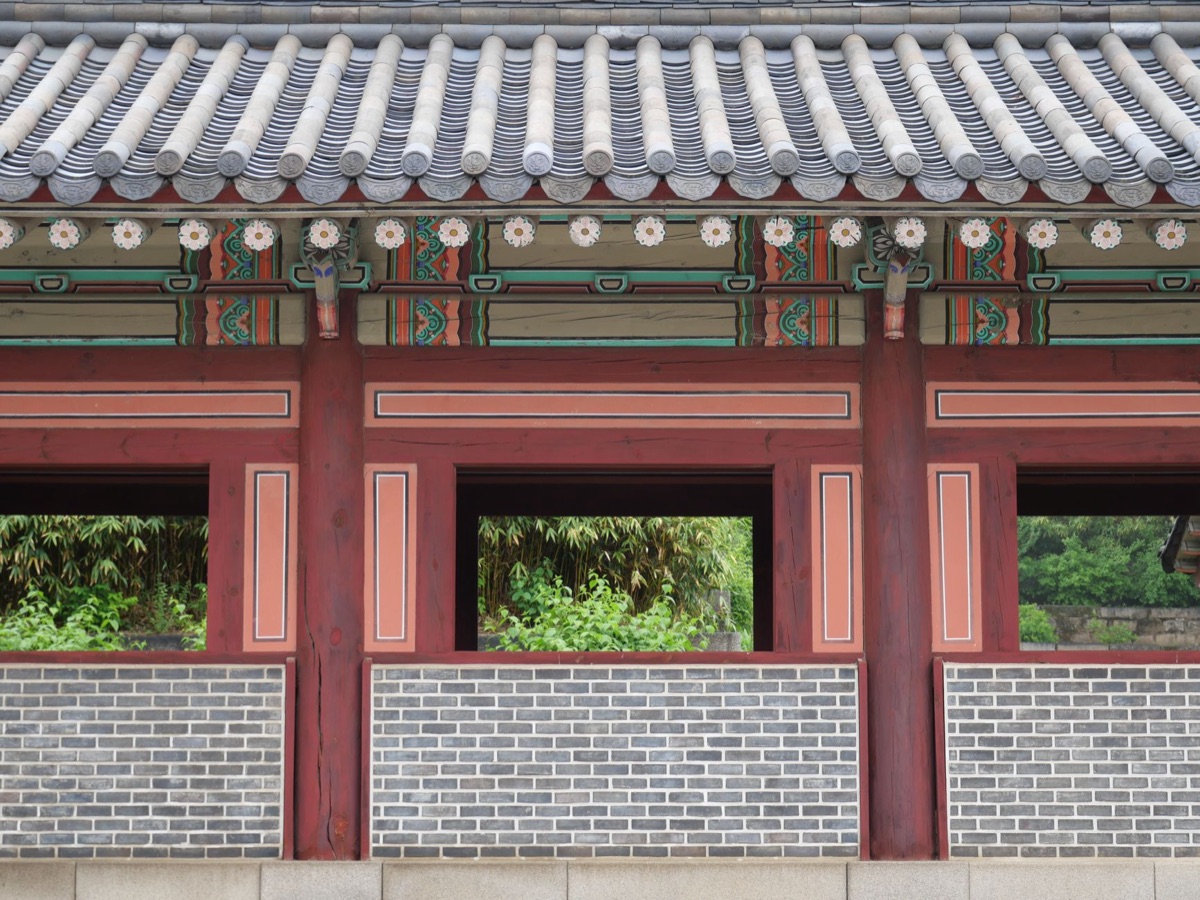
A guide to choosing based on your travel goals
When selecting a hotel, don't just look at the price tag; analyze your own movement patterns. Travelers tend to fall into distinct categories based on why they are visiting.
- For first-time visitors focused on sightseeing: The central shopping district is often best. It offers easy access to major landmarks and a mix of traditional and modern experiences.
- For groups looking for nightlife and trendy cafes: The university district is the winner. It offers a safe, high-energy environment with a unique local feel.
- For business travelers or luxury seekers: The high-end business district is the most appropriate choice. It provides professional service and a polished urban environment.
You must also consider the season. In August, temperatures can easily exceed 86°F, and heat index values can surpass 104°F. Choosing a hotel near a major subway hub is essential for managing your physical stamina during these peak summer months.
Three things to check before you book
Before you hit the "confirm" button on your reservation, verify these practical details to avoid common pitfalls.
* Distance to the subway: Most urban travel relies heavily on the train. Ensure your accommodation is within a 10-minute walk of a station or a major bus stop. * Noise levels and safety: Areas known for nightlife can be loud late into the night. If you are a light sleeper, look for a room that is at least one block away from the main thoroughfare. * Luggage services: Always confirm if the hotel can store your bags before check-in or after check-out. This is a lifesaver for travelers with tight flight schedules.





Comments 0