8 Neighborhoods, 8 Brews: Your Ultimate Seoul Cafe Itinerary
"A cafe in Seoul isn't just a place to grab a caffeine fix; it is a window into the soul of the neighborhood."
In Seoul, the act of visiting a cafe is a ritual of discovery. Whether you are stepping into a renovated factory in Seongsu or a quiet Hanok in Bukchon, you are participating in a localized cultural movement.
Key Takeaways * Cafes serve as the modern "living rooms" of Seoul, reflecting the unique identity of each district. * Moving beyond simple coffee, this guide helps you match your personal vibe to the right neighborhood.
* Understand the "DNA" of areas like Seongsu, Hongdae, and Bukchon to curate your perfect itinerary. * Learn how to navigate menu quirks and etiquette to maximize your local immersion.

Why Choose Your Cafe Spot? Decoding Seoul's Neighborhood Vibes
The sun hits the glass of a high-rise in Gangnam as a commuter rushes through a sleek, minimalist cafe to catch a train at 8:15 AM. Just a few miles away, in a quiet alley in Bukchon, a patron sits in silence, watching the light shift across a wooden floor of a traditional house.
In Seoul, your choice of cafe dictates your entire sensory experience for the afternoon. You aren't just choosing a drink; you are choosing an atmosphere. The city has seen a massive shift where coffee shops have moved from transactional stops to intentional cultural destinations.
The "vibe" of a district is often mirrored in its cafe scene. For instance, the industrial grit of Seongsu-dong offers a completely different energy than the artistic, youthful chaos of Hongdae.
If you are looking for high fashion and experimental pop-up stores, you head one way; if you want to see street performers and indie art, you head another.
Matching your cafe choice to your travel goals is essential. If you spent your morning navigating the crowded markets of Gwangjang, you might want a quiet, traditional space to decompress.
If you are riding the high of a K-pop concert, you might prefer the high-energy, trendy atmosphere of a modern flagship cafe.
But how do you distinguish between the industrial rebirth and the playful chaos of the younger districts?
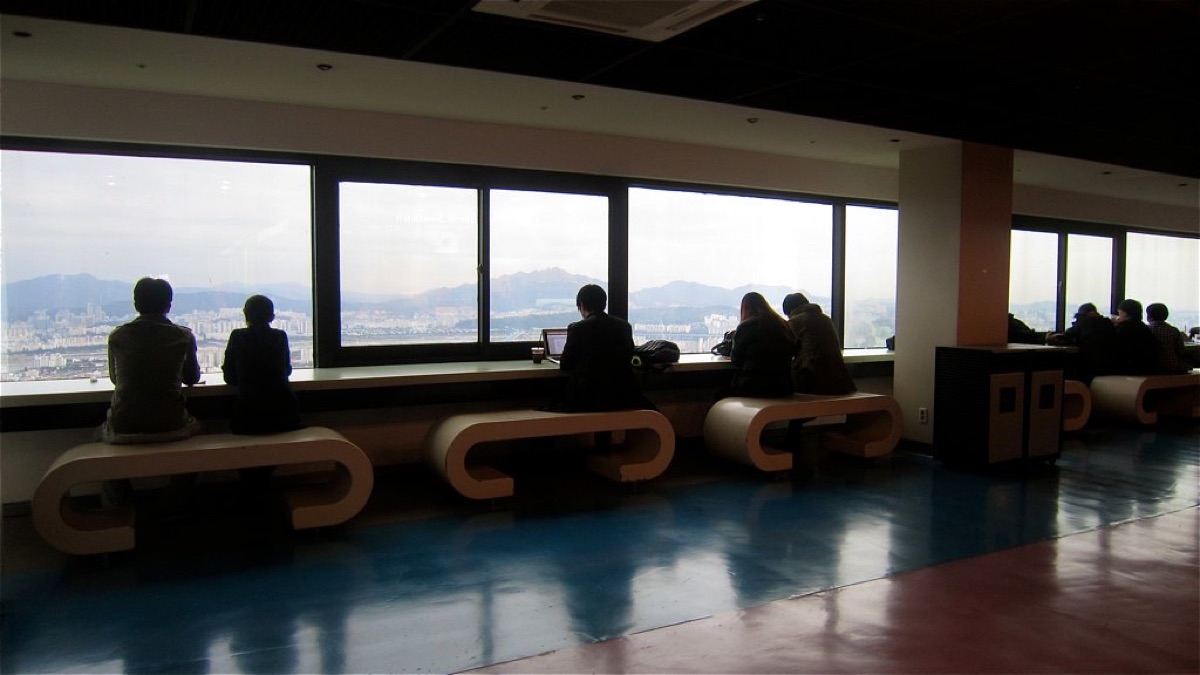
Where can I find the trendiest brew halls? The smell of roasting beans mixes with the scent of old concrete and sawdust in a massive, open-plan space in Seongsu at 2:00 PM. Nearby, a group of students in oversized vintage clothing laughs loudly over colorful, layered lattes in a neon-lit Hongdae shop.
Seongsu-dong has become the epicenter of Seoul's "industrial chic" movement. Once a district dominated by shoe factories and small manufacturing plants, it has been revitalized into a hub of creativity. Many of the most famous cafes here are housed in massive, renovated factory buildings.
These spaces retain their raw, industrial elements—exposed brick, steel beams, and concrete floors—while serving world-class specialty coffee. It is the perfect place to witness the intersection of Seoul's manufacturing history and its modern design-forward future.
In contrast, Hongdae offers a much more kinetic energy. Located near the famous Hongik University, this area is the heart of Seoul's youth culture. The cafes here are often smaller, more experimental, and heavily influenced by the local art scene.
You will find many independent creators running shops that double as galleries or small performance spaces. While Seongsu feels expansive and architectural, Hongdae feels intimate, artistic, and constantly evolving.
When I visited Seongsu in early 2025, I was struck by how a single coffee shop could feel like an art museum. I remember standing in a space that used to be a leather workshop, sipping a 7,500 won latte while looking at a giant steel installation.
To get the most out of these areas, try a "walking tour" approach. In Seongsu, start at a large-scale flagship cafe in the morning to appreciate the architecture, then wander through the side streets to find smaller, boutique roasteries.
In Hongdae, look for cafes that host small workshops or live music to catch the late-afternoon creative surge.
However, if you prefer history over high-concept design, the vibe shifts entirely once you move toward the palace walls.
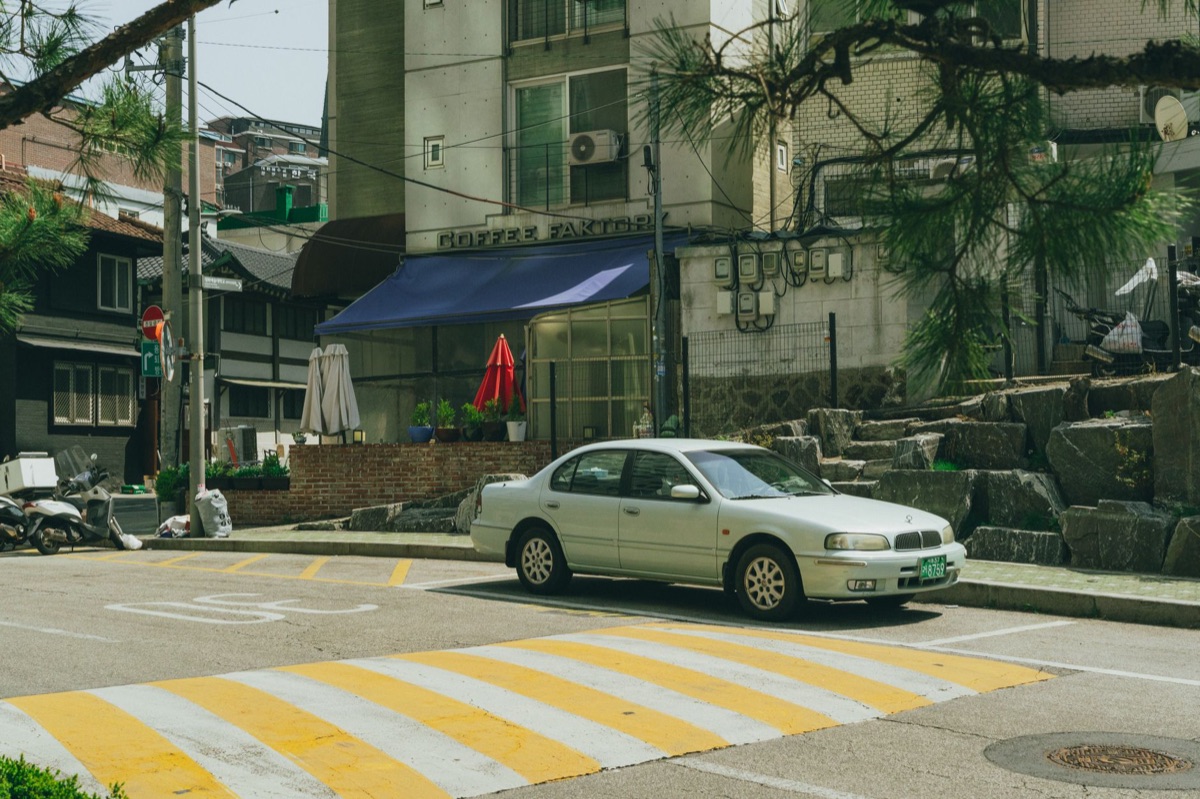
Where can tradition meet a modern palate? The sound of wooden sandals on stone paths echoes through a narrow Bukchon alley as the morning mist clears at 7:30 AM. A few blocks away, in the labyrinthine streets of Ikjeon, a heavy metal door opens to reveal a hidden, minimalist sanctuary tucked behind an old building.
Bukchon Hanok Village offers a window into old Seoul. The cafes here are often located within *Hanok*—traditional Korean houses with tiled roofs and wooden frames. These establishments masterfully blend traditional elements with modern luxury.
You might find a traditional tea house serving refined Korean sweets alongside a modern espresso machine. The pace here is slower, designed for contemplation and appreciating the historic architecture.
Ikjeon (and similar older, "hidden" districts) offers a different kind of discovery. These are the areas where the "old" city meets the "new" in a more organic, sometimes gritty way. Cafes in these neighborhoods are often tucked away in narrow, winding alleys, requiring a bit of exploration to find.
The contrast between a weathered, traditional exterior and a cutting-edge, modern interior is a common theme.
When visiting Bukchon, timing is everything. Early morning is best to catch the quiet beauty of the traditional rooftops before the crowds arrive.
For the more tucked-away, "hidden" cafes in older districts, late afternoon is an excellent time to catch the transition from day to evening as the lighting changes and the atmosphere shifts.
But even in these historic pockets, the menu can be a complete surprise to the uninitiated.
Beyond the Core: Itaewon & International Flavors
The aroma of freshly baked pastries from a French bakery drifts through the air in Itaewon at 10:00 AM, mingling with the scent of spices from a nearby Middle Eastern restaurant.
Itaewon serves as Seoul's global crossroads. Because of its diverse international population, the cafe culture here is uniquely fusion-oriented. You are as likely to find a high-end specialty coffee shop as you are a cafe specializing in global fusion breakfasts or desserts from around the world.
This makes it an ideal destination for travelers who want to experience global flavors within a Korean context.
If you are looking for a cafe experience that feels familiar yet distinct, Itaewon is your best bet.
It caters to a global palate, making it a great place to catch up on emails or meet other travelers while enjoying a menu that might include everything from Mediterranean pastries to South American-inspired brews.
| Neighborhood | Primary Vibe | Best For... |
|---|---|---|
| Seongsu | Industrial Chic | Architecture lovers & fashionistas |
| Hongdae | Youthful/Artistic | Students, musicians, & trend-seekers |
| Bukchon | Traditional/Quiet | History buffs & photography |
| Itaewon | International/Global | Foodies & global travelers |
While these neighborhoods offer distinct worlds, navigating the specific menu items requires its own set of local knowledge.
Navigating the Menu: Beyond the Coffee Bean
A barista carefully pours steamed milk into a ceramic cup, creating a perfect heart-shaped pattern. A customer waits patiently as a tray of colorful, seasonal fruit-topped desserts is brought to the table.
When you sit down in a Seoul cafe, you will notice that the menu often extends far beyond simple black coffee. Many cafes specialize in "signature" drinks—unique concoctions that combine coffee with seasonal fruits, creams, or traditional Korean ingredients like black sesame or mugwort.
To navigate a menu like a local, follow these steps:
- Identify the "Signature" Section: Look for the "Signature" section of the menu. These are often the cafe's unique way of showcasing their identity. A signature latte might cost between 6,500 and 8,500 won.
- Check for Seasonal Specials: Korean cafes are highly sensitive to the seasons. Expect fruit-based drinks in the summer and warm, nutty, or ginger-based flavors in the winter.
- Consider the Dessert Pairing: In many Seoul cafes, the dessert is as important as the coffee. Many shops are famous specifically for their unique cakes, pastries, or traditional Korean snacks.
- Observe the Space Etiquette: While many cafes are casual, some high-end or quiet "concept" cafes may have specific rules about staying for long periods or ordering a second item.
What happens when you actually step inside and try to find a seat?
Frequently Asked Questions
Is it common to work in cafes in Seoul? Yes, many cafes are designed for "laptop culture." However, in very small, crowded, or high-concept cafes, it is polite to avoid staying for many hours with a single drink. If you plan to stay for more than 2 hours, consider ordering an extra item.
According to World Bank, South Korea recorded international tourist arrivals of 2,519,000 in 2020.
Do I need to tip the baristas? No. Tipping is not part of the culture in South Korea. The price you see on the menu is the price you pay.
Can I use my credit card at all cafes? Almost always. South Korea is a very card-friendly country, and even small, independent cafes usually accept credit cards or mobile payments.
What is the best way to find "hidden" cafes? The best way is to wander. Pick a neighborhood like Seongsu or Ikjeon, look for an interesting-looking building or an alleyway, and walk in. Many of the best spots are not on the main roads.
Final Thoughts for Your Coffee Journey
A cafe tour in Seoul is more than a way to stay awake; it is a way to understand the city's rapid evolution. From the industrial rebirth of Seongsu to the timelessness of Bukchon, every cup of coffee tells a story of where the city has been and where it is going.
As you plan your trip in 2026, remember to match your itinerary to your mood. Let the architecture of the building and the energy of the street guide your choice.
Whether you are looking for a quiet moment of reflection or a vibrant, creative spark, there is a perfect cafe waiting for you in every corner of Seoul.


Comments 0