9:30 AM Arrival: Capture Gyeongbokgung's Grandeur Early
Stepping through the Gwanghwamun Gate feels less like a tourist attraction and more like a sudden, silent collapse of time.
To truly experience Gyeongbokgung, you need more than a ticket; you need a plan that balances cultural immersion with the practicalities of a busy Seoul day.
* Timing is everything: Arrive by 9:30 AM to beat the crowds and catch the changing of the guard. * The Hanbok Advantage: Renting traditional attire isn't just for photos; it grants you free entry to the palace. * Logistics Check: Wear comfortable shoes and carry a portable charger for all those high-res photos. * Seamless Transitions: Plan your post-palace meal in nearby Bukchon or Samcheong-dong to keep the momentum going.
Why Visit Gyeongbokgung Now?
The sun hit the stone courtyard of Gwanghwamun at 9:30 AM, casting long, sharp shadows against the colorful Dancheong patterns of the eaves. I stood there, coffee in hand, watching the mix of modern commuters in suits and travelers in colorful silks begin to merge.
Gyeongbokgung remains the crown jewel of Seoul because of its sheer scale and its role as the heart of the Joseon Dynasty. Unlike smaller, more manicured heritage sites, this palace offers vast open spaces that allow you to feel the weight of history against the backdrop of the modern city skyline.
If you are planning a visit in 2026, timing is your most important variable. The palace is closed on Tuesdays, so plan your itinerary around that specific day to avoid a locked gate.
In the spring of 2025 and 2026, the cherry blossoms frame the stone walls, while in autumn, the fiery maple leaves provide a natural canopy that rivals any museum exhibit.
Entry is straightforward, but understanding the options helps. While a standard ticket is inexpensive, you might find yourself opting for a guided English tour to understand the hidden symbolism in the architecture.
Most visitors find that the palace is easily accessible via subway—just head to Gyeongbokgung Station on Line 3, and you are practically at the doorstep.
But as beautiful as the architecture is, there is a way to step directly into the history itself.

How can I elevate my visit with a Hanbok experience? I remember the weight of the silk skirt as I stepped into the courtyard at 11:00 AM, the vibrant blues and reds making me feel instantly different from the sea of denim and cotton around me. It wasn't just a costume; it was a transformation.
For many travelers, renting a Hanbok is the highlight of the trip. In the neighborhoods surrounding the palace, such as those near Changdeokgung or Bukchon, you will find dozens of rental shops.
Prices typically range from $30 to $60 depending on the quality of the fabric and the complexity of the hair accessories. High-end shops offer more intricate designs that look stunning in professional photography.
The biggest practical benefit of wearing Hanbok is that the palace management waives the entrance fee for anyone dressed in traditional attire. This makes the "cost" of the rental essentially pay for itself through the free entry. Beyond the savings, the visual impact is unmatched.
The colorful patterns against the white stone and dark wood of the palace create a perfect aesthetic harmony.
When you are looking for the perfect shot, head toward the Gyeonghoeru Pavilion. The way the pavilion sits on the water, surrounded by willow trees, provides a serene backdrop that makes you feel like you have stepped into a historical drama.
Just remember to be mindful of other visitors; photography is encouraged, but avoid blocking walkways or stepping onto sensitive heritage structures.
However, once you have captured your photos, you need to know how to actually navigate the massive grounds without getting lost.
Where are the must-see spots and rituals on the grounds? The sound of wooden clogs on stone echoed through the courtyard as the ceremonial guards marched in perfect synchronization. It was a rhythmic, percussive reminder that this was once a place of strict order and royal ritual.
The palace is vast, so you should focus on the key architectural highlights to avoid fatigue. Start at Geunjeongjeon, the main throne hall, where the sheer scale of the courtyard and the elevated stone platform will take your breath away.
Moving through the complex, you will notice how the buildings are positioned to respect the surrounding mountains and the natural flow of the land.
To see the palace in its most "alive" state, aim to catch the Changing of the Guard ceremony. This typically happens at 10:00 AM and 2:00 PM at the main gate. It is a colorful, disciplined display of traditional military ritual that provides a great sense of the palace's original purpose.
If you miss the ceremony, you can still find quiet moments of reflection in the smaller, more secluded garden areas.
For those who want more than just a visual tour, consider the museum sections located within the palace grounds. The National Palace Museum of Korea offers deep dives into the artifacts that once filled these halls.
If you find yourself with extra energy, the nearby Jongmyo Shrine or the traditional markets in Insadong are just a short transit ride away, making it easy to layer your cultural exploration.
But what happens once you step back out into the modern world?
Beyond the Gates: Extending Your Seoul Day
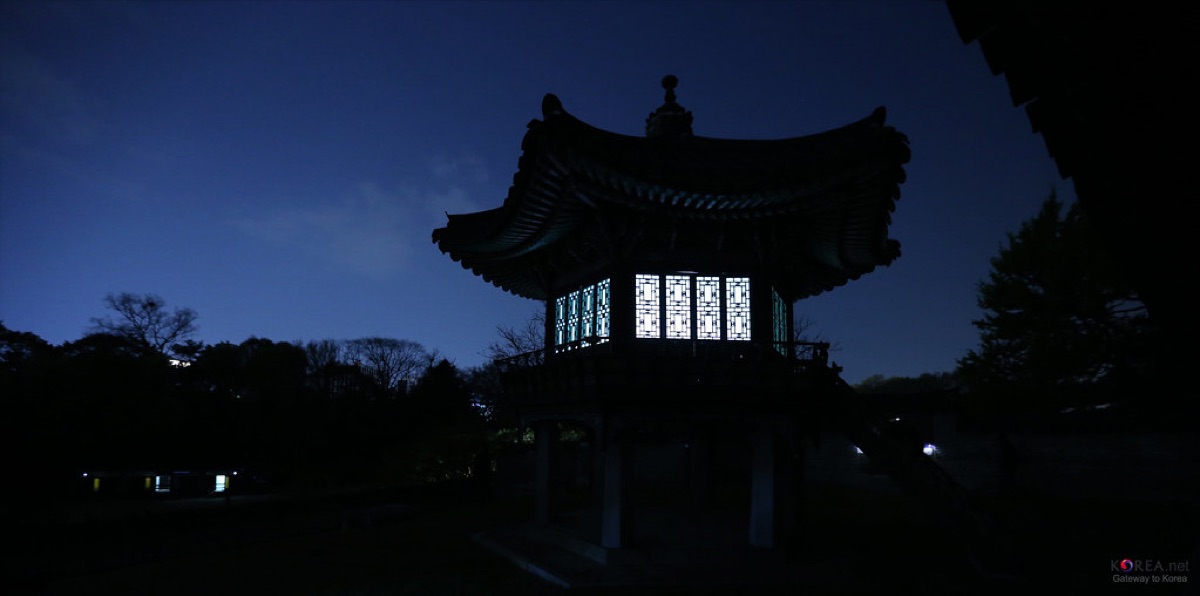
Walking out of the palace gates, the transition from the quiet, guarded atmosphere to the bustling streets of Jongno is jarring in the best possible way. One moment you are in the 14th century, and the next, you are surrounded by the hum of a global metropolis.
According to World Bank, South Korea recorded international tourist arrivals of 2,519,000 in 2020.
The transition from the palace to the next part of your day should be seamless. Most visitors head straight to Bukchon Hanok Village, which is a short walk or a very quick taxi ride away.
This neighborhood is filled with traditional Korean houses (hanok) that have been preserved, offering a beautiful continuation of the historical atmosphere you experienced at the palace.
When hunger strikes, you have two excellent paths. You can stick to the traditional theme by visiting a nearby tea house in Bukchon for a quiet moment of reflection, or you can head toward the more modern cafes in Samcheong-dong.
The area is famous for its "aesthetic" cafes that blend modern design with traditional touches, perfect for a mid-afternoon break.
To move between these locations, the subway is your best friend, but in this specific area, walking is often faster and much more rewarding. The streets are well-marked, and the density of sights means you can cover a lot of ground without spending much time in transit.
Just keep an eye on your battery life, as you will likely be using maps and translation apps frequently.
Before you head out, you need a solid plan to keep your energy up.
Pro-Tips for First-Timers
I sat on a stone bench at 4:00 PM, my feet aching slightly from the morning's walking, and realized I had forgotten how much I needed a portable fan and a bottle of water. It was a small oversight that changed the rhythm of my afternoon.
Preparation is the difference between a tiring trek and an enjoyable journey. Follow this checklist to ensure your day goes smoothly:
- Footwear First: Wear your most comfortable walking shoes. You will be walking on uneven stone paths and gravel for hours, and fashion should never come at the expense of your ability to move.
- Layer Up: The temperature can shift significantly between the sunny courtyards and the shaded palace corridors.
- Time Your Arrival: To avoid the heaviest tourist surges, try to arrive right when the gates open or visit in the late afternoon. The midday period is when the largest tour groups tend to congregate.
- Stay Charged: Always carry a portable power bank in your bag. A dead phone in a foreign city is a problem you don't want to deal with while trying to find your way back to your hotel.
- Carry Small Cash: While much of Seoul is digital, always carry a small amount of cash for smaller vendors or traditional snack stalls.
Crowd management is a real factor in Seoul. If you find yourself caught in a crowd, don't panic; simply move toward the side pavilions or the outer walls to find a quieter pocket of space.
Most major palace areas have clean, well-maintained restrooms, but they can be a bit of a walk from the central halls.
| Feature | Hanbok Rental | Self-Guided Tour | Guided Professional Tour |
|---|---|---|---|
| Primary Benefit | Free entry & amazing photos | Flexibility & low cost | In-depth historical context |
| Cost Level | Moderate ($30-$60) | Low (Ticket price only) | High (Ticket + Guide fee) |
| Time Commitment | High (includes hair/dressing) | Moderate | High (structured schedule) |
| Best For | Social media & immersion | Budget travelers | History enthusiasts |
#



Comments 0