Top 10 Korean Street Foods: Taste the Soul of Seoul Today
"To truly taste the soul of Seoul, you must step away from the white tablecloths and stand on a crowded sidewalk with a steaming paper cup in your hand."
If you want to understand the rhythm of South Korea, you don't look for a reservation; you look for a line of locals huddled around a small metal cart. From the spicy kick of tteokbokki to the sweet crunch of hotteok, street food is the pulse of the city.
* The Essence: Street food is a sensory explosion of spice, sugar, and steam that defines local life. * The Map: Visit Gwangjang Market for tradition or Myeongdong for trendy variety. * The Etiquette: Carry small cash, learn basic polite gestures, and embrace the "stand-and-eat" culture. * The Connection: These flavors are the foundation of modern K-Culture, bridging generations of food lovers.
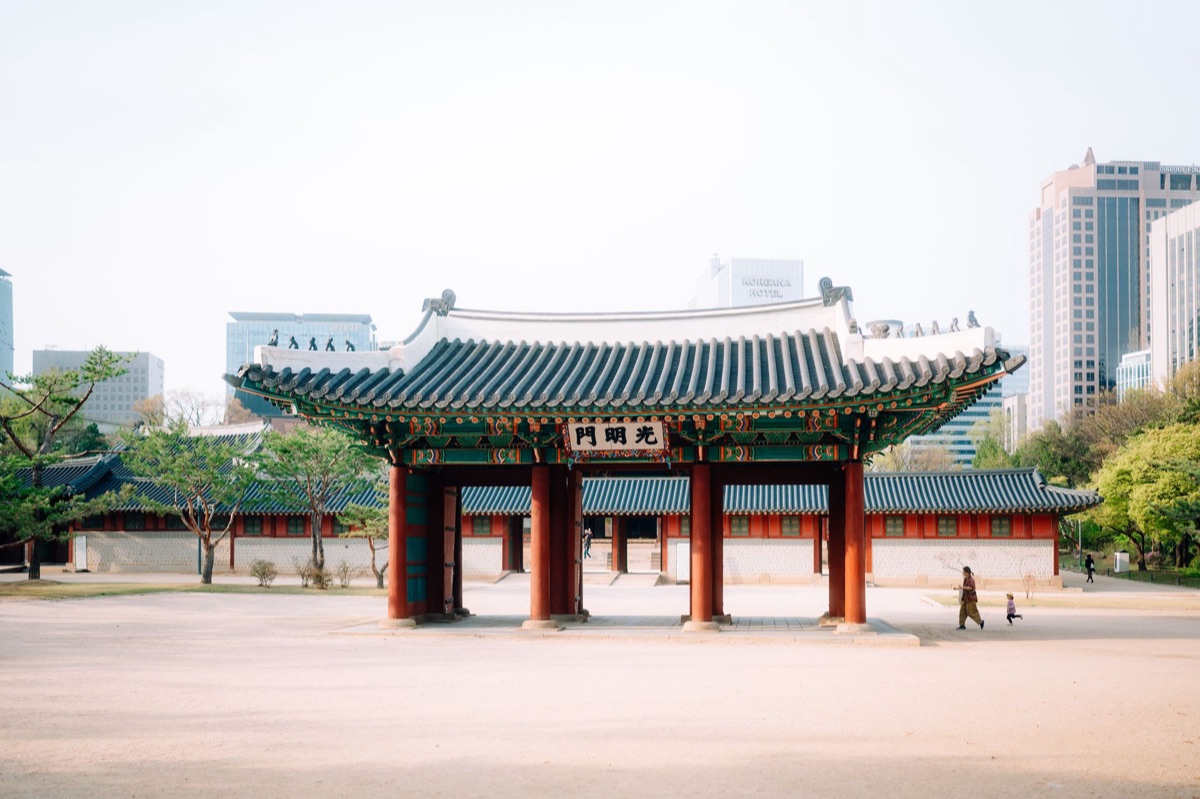
Why Street Food is the Heartbeat of Korean Life
The sun sets over the neon signs of Hongdae in late 2025, and the smell of toasted sesame oil begins to drift through the evening air. A group of office workers in loosened ties crowds around a small plastic table, laughing as they share a plate of spicy rice cakes.
According to World Bank, South Korea recorded international tourist arrivals of 2,519,000 in 2020.
In South Korea, the transition from a formal workday to personal time often happens at a street stall. While high-end BBQ restaurants are wonderful, the street stalls—known as *pojangmacha*—offer a level of intimacy and speed that a sit-down restaurant cannot match.
It is a place where a student and a CEO might stand shoulder-to-shoulder, both seeking the same comfort in a bowl of soup.
This culture reflects a unique balance between communal eating and the fast-paced nature of modern life. While much of the food is designed to be eaten quickly, it is rarely a solitary affair. It is a social ritual, a way to grab a quick bite that still feels like a shared moment.
As the city grows more high-tech in 2026, these stalls remain a constant, grounding force.
The sensory experience is overwhelming in the best way. The hiss of oil on a hot griddle, the vibrant red of gochujang sauce, and the thick steam rising into the cold night air create an atmosphere that feels alive. It is a living museum of flavor that changes with every season.
But how do you know what to order when the steam is blinding and the menu is a blur of characters?
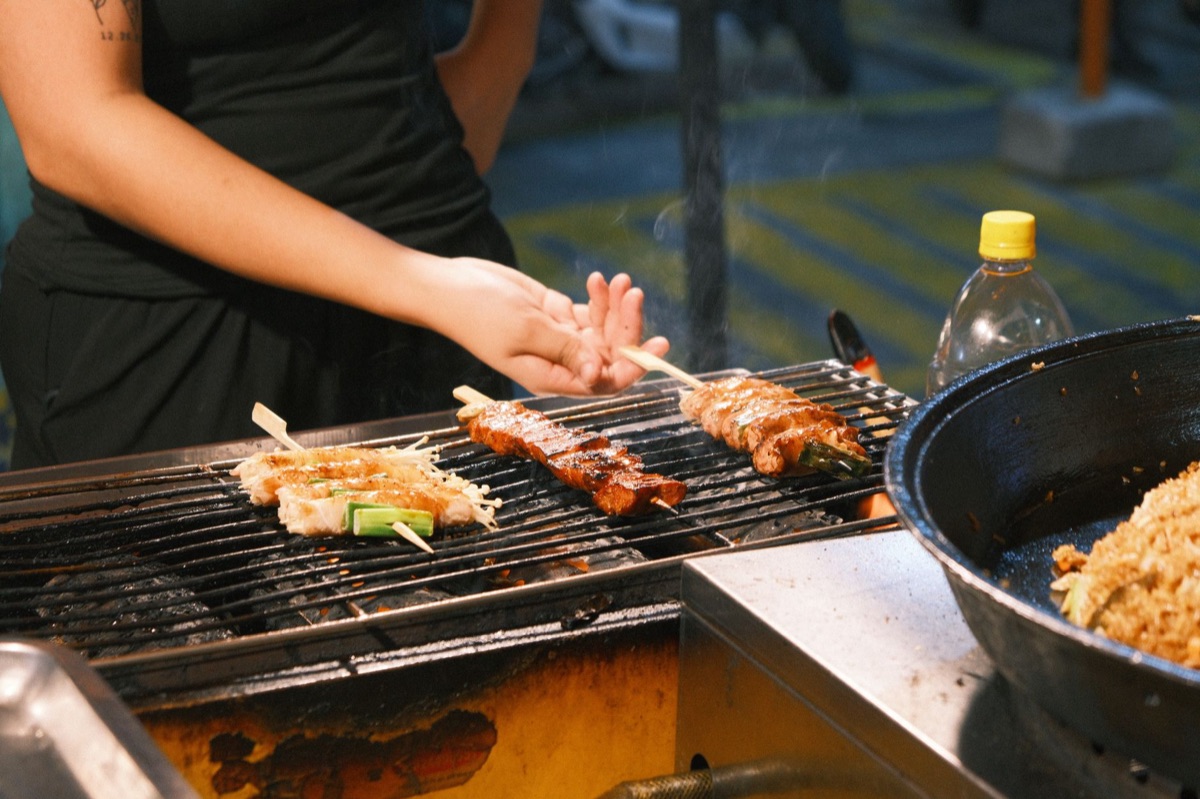
Which flavors do I absolutely have to try? Walking through a busy market in the spring of 2026, the sheer variety of scents can be dizzying. You see a vendor flipping golden pancakes and another expertly slicing savory pancakes. To navigate this, you need a roadmap of the most essential flavors.
- Tteokbokki (Spicy Rice Cakes): These chewy, cylindrical rice cakes are coated in a thick, sweet, and spicy red sauce. It is the quintessential Korean comfort food, often serving as the base for many other flavor combinations.
- Gimbap (Seaweed Rice Rolls): Often called "Korean sushi," these rolls are packed with seasoned rice, vegetables, egg, and sometimes meat. They are the perfect portable meal for a busy traveler.
- Odeng/Eomuk (Fish Cakes): Skewered fish cakes simmered in a savory broth are a staple. You often get a cup of the hot broth to sip on while you eat, making it perfect for chilly evenings.
- Hotteok (Sweet Stuffed Pancakes): These are chewy, pan-fried pancakes filled with a melted mixture of brown sugar, cinnamon, and nuts. They are a sweet delight often found in traditional markets.
- Twigim (Deep-Fried Delicacies): From squid to various vegetable tempura, these crispy, fried snacks are often dipped in the leftover tteokbokki sauce for a perfect flavor marriage.
- Mandu (Dumplings): Whether steamed, fried, or boiled, these pockets of dough filled with meat and vegetables are universally loved. They are hearty and satisfying.
- Bungeo-ppang (Fish-shaped Pastries): These crispy, hollow pastries are filled with sweet red bean paste or custard. They are a seasonal favorite that evokes nostalgia for many Koreans.
- **Dakkochi (Chicken Skewers): grilled chicken skewers glazed in a sweet or spicy sauce provide a savory, protein-packed snack that is easy to eat on the move.
- Pajeon (Korean Savory Pancakes): Scallion-heavy pancakes that are crispy on the outside and soft on the inside. They are often enjoyed during rainy days.
- Ssiat Hotteok (Seed-filled Pancakes): A modern twist on the classic hotteok, these are stuffed with a generous amount of sunflower seeds and nuts, adding a massive crunch to the sweet filling.
When I first stood in a crowded stall in Myeongdong, I felt overwhelmed by the sheer number of choices. I remember staring at a tray of steaming dumplings, unsure if I should grab a skewer or a bowl.
The sheer variety is exhilarating, but it can also be confusing. Where do you go to find the real, unadulterated versions of these dishes?
Where can I find the real deal? The neon lights of Myeongdong flicker to life as the evening crowd begins to swell in 2026. Tourists and locals alike navigate the narrow aisles, eyes searching for the perfect snack.
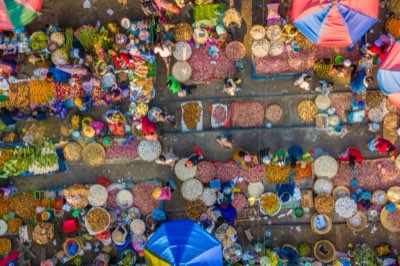
If you want deep tradition, head to Gwangjang Market in central Seoul. This is a legendary food mecca where you can sit on heated benches and eat legendary dishes like mung bean pancakes (*bindae-tteok*) right in front of the vendors. It is loud, bustling, and authentic.
For a more modern, trendy vibe, explore the streets of Myeongdong or the alleys of Hongdae. Myeongdong is famous for its highly visual, "Instagrammable" street food—think lobster tails with cheese or giantly sized snacks—while Hongdae offers a younger, more experimental energy.
To distinguish a genuine vendor, look for the local crowds. While tourists are welcome everywhere, a stall that is packed with local residents often indicates a level of quality and flavor that is consistent. Timing is also key; most street food stalls peak in the late afternoon and evening.
| Feature | Traditional Market (e.g., Gwangjang) | Trendy District (e.g., Myeongdong) |
|---|---|---|
| Vibe | Historic, loud, authentic | Fast-paced, touristy, experimental |
| Price Range | Generally lower | Generally higher |
| Best For | Deep cultural immersion | Visual variety and novelty |
| Ordering Style | Sitting on benches/stools | Standing or walking |
Finding the right place is half the battle, but knowing how to act once you arrive is just as important.
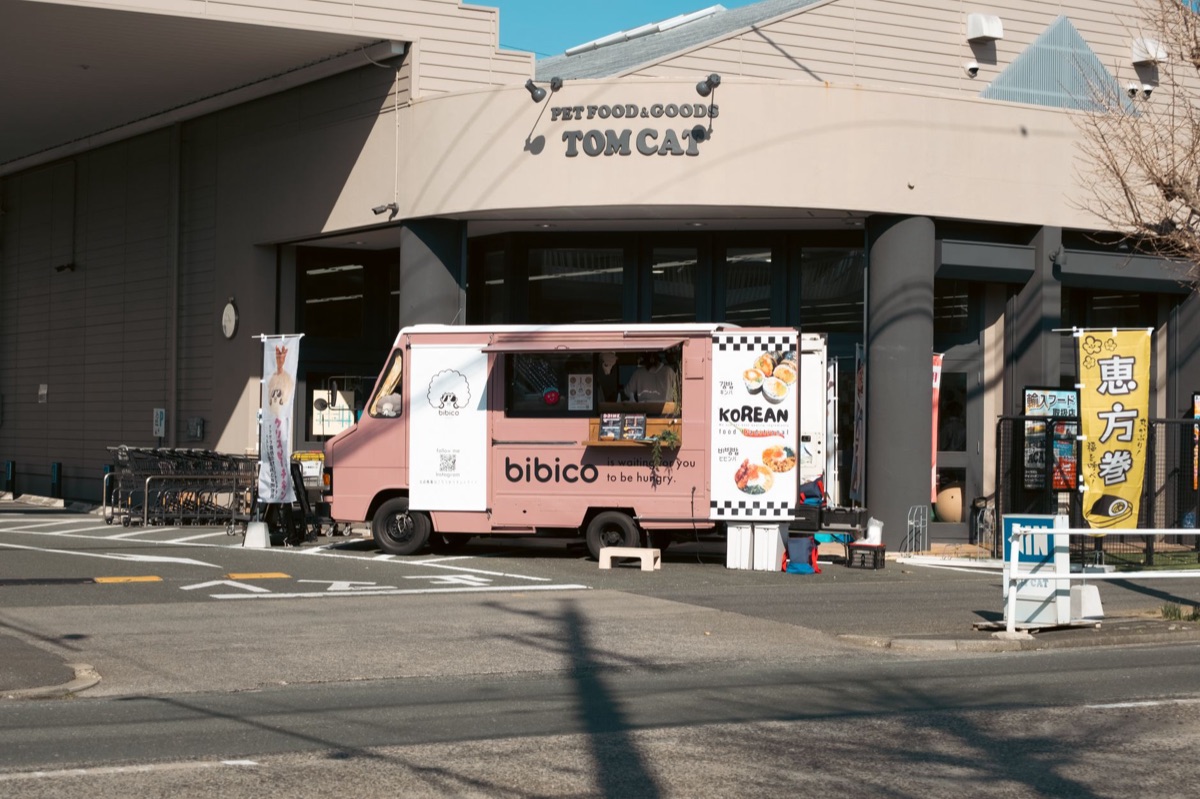
How do you order like a local?
You stand before a steaming stall, looking at a menu that is mostly written in Hangul. You want to order, but you aren't quite sure how to navigate the social dance of a quick transaction.
To make your experience seamless, follow this simple checklist:
- Greet with a nod: A simple "Annyeonghaseyo" (Hello) and a slight nod are often enough to acknowledge the vendor.
- Point and name: When you are ready to order, you can point to the item you want and say the name followed by "juseyo" (Please give me). For example, "Tteokbokki juseyo."
- Prepare your cash: While many larger shops in Seoul accept credit cards, many smaller street stalls are still cash-preferred or rely on bank transfers. It is always wise to carry a supply of Korean Won in small denominations.
- Manage your waste: Most stalls provide small trash bins or napkins. Always look for a place to dispose of your skewers or paper cups to keep the streets clean.
Regarding payment, while many larger shops in Seoul accept credit cards, many smaller street stalls are still cash-preferred or rely on bank transfers. It is always wise to carry a supply of Korean Won in small denominations.
Some vendors may also accept mobile payments, but cash is your safest bet for a seamless experience.
Don't forget the extras. If you order tteokbokki, it is very common to ask for extra sauce or to dip your fried snacks (*twigim*) into the sauce. If you are eating something like gimbap, you might find small containers of kimchi or pickled radish provided to cleanse the palate.
For utensils, you will often be given disposable wooden chopsticks or plastic spoons, but for items like skewers or hotteok, you might just use your hands or a small napkin.
However, there is a limit to how much you can wander. If you eat too much variety too quickly, you might find yourself too full to explore the rest of the city.
Beyond the basics: pairing and experience
The spicy heat of a snack lingers on your tongue, and you find yourself looking for something to balance the intensity. A cold drink or a soothing tea is the perfect companion.
To balance spicy foods like tteokbokki, a cold beverage like a sweet corn drink or a fizzy soda is a classic choice. If you are eating something sweet like hotteok, a hot cup of barley tea (*boricha*) provides a wonderful contrast.
For a truly memorable experience, try pairing your food with a specific setting. In the summer of 2026, grabbing some snacks and heading to the Han River parks to eat while watching the sunset is a quintessential Seoul experience. It turns a simple meal into a scenic event.
After you have satisfied your hunger, transition into the local culture. If you were eating in Hongdae, walk a few blocks to catch a live busking performance. If you were in Myeongdong, head to a nearby themed cafe. The food is just the beginning of the sensory journey.





Comments 0