Seoul After Dark: 8 Hotspots from Rooftops to Night Markets
"The city doesn't just turn on the lights; it changes its entire soul once the sun goes down."
Seoul is a metropolis that undergoes a total metamorphosis at dusk. While the daytime is defined by sprawling palaces and busy shopping districts, the night reveals a different layer of energy—one of neon-lit alleys, rooftop breezes, and the rhythmic pulse of street food markets.
Key Takeaways
* Tailored Neighborhoods: Choose between the industrial chic of Seongsu, the youthful energy of Hongdae, or the global flair of Itaewon to match your group's vibe. * Nighttime Culinary Depth: Experience everything from gritty, nostalgic markets to high-end fusion dining and late-night cafe culture. * Atmospheric Views: Utilize the city's verticality with rooftop bars and scenic riverside spots to see the skyline at its best. * Seamless Transit: Use the reliable subway and late-night bus systems to move between districts effortlessly.
Where should my Seoul night start? The humid air of a late August evening hangs over the streets of Seongsu-dong as a group of friends walks past a massive, repurposed brick warehouse. The concrete underfoot still holds the day's heat, and the smell of roasting coffee beans drifts from an open industrial door.
They aren't looking for traditional architecture, but for the industrial-chic vibe that has turned this former factory district into the city's most fashionable corner. Choosing a starting point depends entirely on the "personality" you want your night to have.
If you want to feel like you are at the center of a creative movement, head to Seongsu-dong.
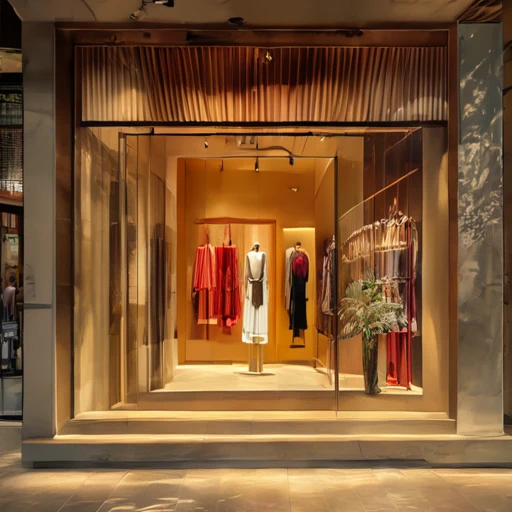
This area is famous for its industrial revival, where old shoe factories and warehouses have been transformed into high-end boutiques and trendy pop-up shops. It is the perfect place for those who want to see the cutting edge of Korean design and fashion.
It is much more budget-friendly and energetic than the more polished districts.
For a different kind of texture, consider these alternatives: * Euljiro: Known locally as "Hip-jiro," this area offers a gritty, retro charm where old printing shops and hardware stores hide tiny, trendy bars and cafes in their narrow alleys.
* Itaewon: The most globalized district, perfect for expats and travelers looking for diverse international cuisine and a cosmopolitan nightlife scene.
When I first walked through the narrow alleys of Euljiro at 10:00 PM, I was stunned by how a dusty metal workshop could hide a neon-lit cocktail bar behind a heavy steel door. It felt like stepping through a portal.
Pro Tip: If you are traveling with a large group, decide on a "vibe" first. An artistic group will love the wandering nature of Seongsu, while a group looking to dance and spend less will find their home in Hongdae.
But choosing a neighborhood is only the first step; the real magic happens when you sit down to eat.
Where can I find an adventure with K-food? The smell of sizzling meat and spicy gochujang wafts through a narrow alleyway in a traditional market as a vendor flips skewers over a charcoal grill. The orange glow of the coals illuminates the faces of hungry locals and curious tourists alike, all gathered around small, communal tables.
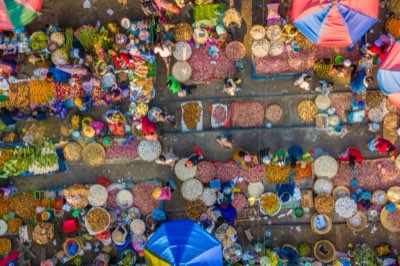
Nighttime in Seoul is synonymous with eating. The culinary scene shifts from quick lunches to long, social dinners and late-night snacks. One of the most authentic ways to experience the city is through its traditional markets.
These markets often come alive in the evening, offering a sensory overload of flavors. You can find everything from spicy rice cakes (tteokbokki) and fried snacks to specialized skewers and seafood.
Beyond the markets, the modern dining scene thrives after dark. Korean BBQ is a quintessential nighttime activity. Sitting around a central grill with friends, sharing meat and various side dishes (banchan), is a social ritual that defines the city's nightlife.
Many specialized fusion restaurants also open later, offering creative takes on traditional flavors that cater to a younger, trendy crowd.
Even the cafe culture extends into the night. In Korea, cafes are not just for morning caffeine; they are social hubs. You will and find beautifully designed, late-night cafes that serve dessert and tea, providing a perfect, calmer alternative to the loud bars and clubs.
Practical Dining Tip: While many places take credit cards, especially in larger restaurants, it is always helpful to have some cash for smaller market stalls and street food vendors.
If you are looking for a specific type of food, downloading a local map app is essential, as many of the best "hidden" spots are tucked away in residential alleys.
But what do you do once the meal is over and the hunger is satisfied?
Beyond the Streets: Elevated Views and Experiences
A cool breeze hits your face as you step onto a rooftop terrace overlooking the sprawling, illuminated expanse of the Han River and the N Seoul Tower. The city below looks like a sea of moving lights, stretching endlessly toward the horizon.
To truly grasp the scale of Seoul, you have to go up. The city's verticality offers incredible opportunities for scenic views. Rooftop bars and cafes are incredibly popular, especially in districts like Myeongdong or Gangnam.
These venues allow you to enjoy the skyline while escaping the street-level hustle. They provide a sophisticated atmosphere perfect for a cocktail and a conversation.
This is a quintessential Seoul experience that feels both relaxed and uniquely urban.
You can also blend daytime and nighttime activities. For example, you might spend the afternoon wearing a Hanbok and exploring the historic Gyeongbokgung Palace, and then transition to a modern rooftop lounge in the evening.
This contrast between the ancient and the ultra-modern is what makes a Seoul trip so memorable.
| Neighborhood | Primary Vibe | Best For |
|---|---|---|
| Seongsu-dong | Industrial / Trendy | Fashion, Pop-ups, Design |
| Hongdae | Youthful / Energetic | Music, Street Art, Budget Dining |
| Itaewon | Global / Diverse | International Food, Expat Scene |
| Gangnam | Upscale / Polished | Luxury, Nightclubs, High-end Dining |
| Euljiro | Retro / Gritty | Hidden Bars, Nostalgic Charm |
The view from the top is breathtaking, but the heartbeat of the city is found in its rhythm and culture.
Following the Beat: K-Culture Hotspots
The bass from a nearby club thumps through the pavement as a group of fans gathers outside a massive entertainment agency building, eyes glued to their phones as they discuss the latest music video. There is an undeniable sense of being at the epicenter of a global phenomenon.
For many travelers, the pull of Seoul is tied to the massive influence of K-Pop and K-culture. Certain areas are practically pilgrimage sites for fans. You can often find themed cafes, specialized merchandise shops, and even filming locations that are central to the K-Pop world.
Areas near the major entertainment agencies often have a specific energy, with fans gathering and the influence of the industry visible in the local shops and cafes.
This modern, fast-paced culture provides a sharp and fascinating contrast to the traditional aspects of the city. One moment you are walking through a quiet, preserved Hanok village in Bukchon, and the next, you are surrounded by the neon-soaked, high-tech reality of a modern metropolis.
This tension between the old and the new is the heartbeat of Seoul's nightlife.
But how do you actually navigate this sprawling metropolis without getting lost or exhausted?
Planning Your Perfect Evening: Logistics and Tips
A traveler stands at a subway entrance, tapping a colorful plastic card against a sensor. The gate clicks open instantly, and they step onto a clean, brightly lit platform just as a train pulls in. The ease of movement is almost hypnotic.
According to World Bank, South Korea recorded international tourist arrivals of 2,519,000 in 2020.
Navigating the city at night is remarkably easy thanks to the world-class public transportation system. The Seoul subway is efficient, clean, and runs late into the night. However, keep in mind that service usually ends around midnight on weekdays and slightly earlier on weekends.
Essential Checklist for a Smooth Night Out:
- Get a T-money Card: This is an essential rechargeable transit card. You can use it for the subway, buses, and even at many convenience stores. It makes moving between neighborhoods seamless and much cheaper than taxis.
- Use Navigation Apps: Global maps can sometimes be inaccurate in the winding streets of Seoul. Download a reliable local navigation app to find the exact location of that hidden bar or market stall.
- Mind the Heat: If you are visiting in August, the heat and humidity can be intense. The heat index can sometimes surpass 40 °C (104.0 °F). Plan your outdoor activities, like walking through markets or parks, for the early evening and stick to air-conditioned spaces during the peak heat.
- Safety and Etiquette: Seoul is generally very safe, even at night. However, always be aware of your surroundings. When visiting bars or clubs, follow local etiquette and be respectful of the staff and other patrons.
- Check the Schedule: If you plan on visiting a specific pop-up shop or a themed cafe, check their social media or website first. Many trendy spots in areas like Seongsu have limited hours or require reservations.
A Note on Limitations While the nightlife is vast, it is not a one-size-fits-all experience. If you are looking for a quiet, slow-paced evening, the neon-soaked districts might feel overwhelming.
Always balance your itinerary between the high-energy hubs and the calmer residential pockets to avoid burnout.


Comments 0