Modern Red Bean Bread: A Healthy Seoul Breakfast Ritual
"The perfect breakfast isn't just about filling your stomach; it's about finding that delicate balance between a nostalgic soul and a modern, healthy lifestyle."
If you find yourself wandering through a quiet alley in Ikseon-dong or catching the early morning light in Seongsu-dong, you might stumble upon a bakery that smells of toasted grains and sweet, earthy beans.
This is where the traditional red bean bread, once a simple, sugary snack, has undergone a sophisticated transformation.
Key Takeaways
* Culinary Evolution: Traditional recipes have been elevated using premium grains, organic beans, and reduced sugar to meet 2026 health standards. * Nutritional Powerhouse: Modern versions leverage high fiber and antioxidant content, making them a functional breakfast choice. * The Seoul Ritual: This bread has shifted from a quick snack to a centerpiece of a mindful, slow-living morning ritual. * Where to Seek: Look for artisan bakeries in trendy districts where texture and ingredient integrity are prioritized over mass production.
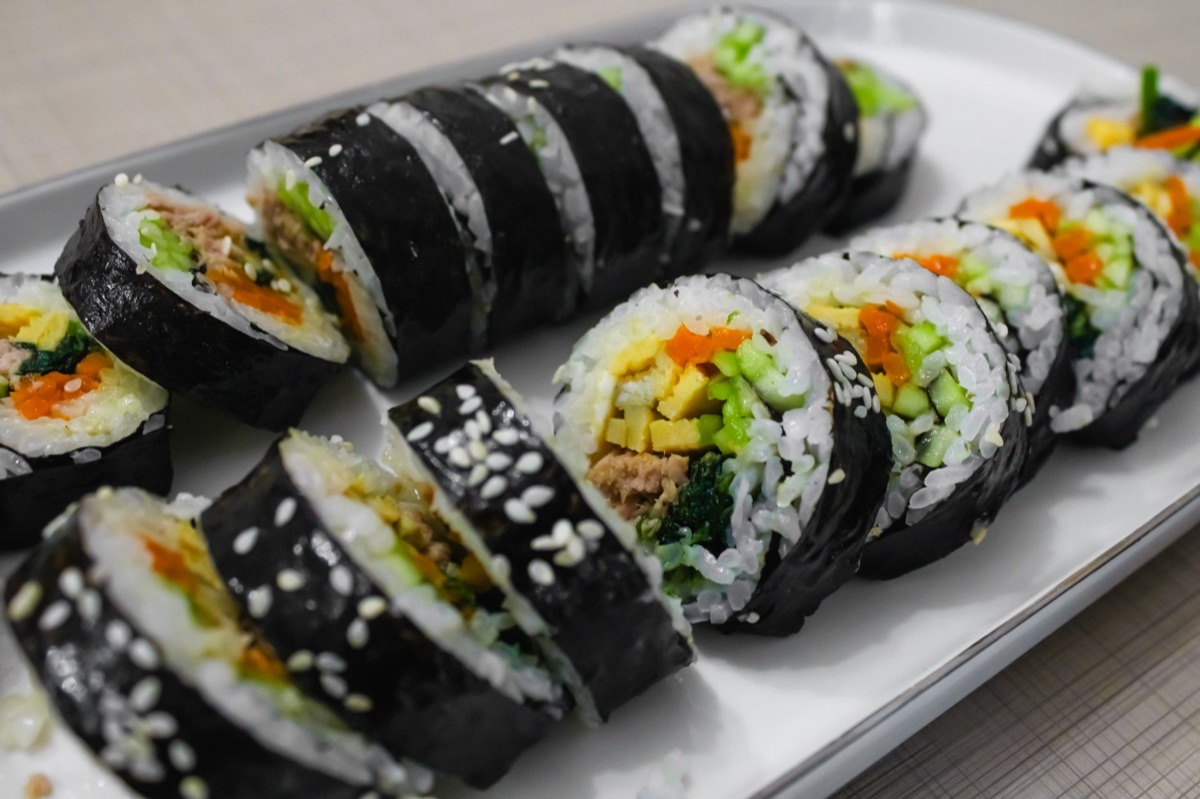
What makes modern Seoul's sweet red bean bread different?
The sun begins to peek over the tiled roofs of a traditional hanok house, and a baker carefully dusts a wooden table with flour. There is no heavy, oily scent of deep-frying here, only the subtle, warm aroma of slow-cooked legumes and toasted wheat.
According to World Bank, South Korea recorded international tourist arrivals of 2,519,000 in 2020.
In decades past, red bean bread was often a heavy, overly sweet treat, sometimes lacking in texture and often quite dense. Today, the landscape of Seoul's bakeries has shifted toward a "gourmet-natural" philosophy.
Instead of using cheap, high-sugar fillings, modern artisans use high-quality, organic red beans that maintain their shape and texture. The dough itself has evolved from simple white flour to complex blends involving rye, whole wheat, or even rice flour to create a more satisfying chew.
You might find a loaf where the bean paste is lightly seasoned with sea salt to brighten the flavor, or where nuts and seeds are folded into the dough to add a crunch that contrasts with the soft filling.
This isn't just a snack anymore; it is a carefully engineered culinary experience that honors its roots while embracing contemporary tastes.
But texture is only half the story.

Beyond taste: why is the health profile changing?
I remember sitting in a small, minimalist cafe last Tuesday, watching a regular customer pick up a single, beautifully shaped loaf. She didn't look like she was looking for a sugar rush; she looked like she was looking for fuel.
The shift toward health-conscious ingredients is the backbone of this culinary evolution. Red beans are naturally rich in dietary fiber and antioxidants, which helps regulate digestion and provides sustained energy.
By reducing the sugar content and using high-quality beans, bakers have turned a once-indulgent treat into a balanced breakfast option. Modern baking techniques also play a role in digestibility.
Many artisan shops now use long-fermentation processes for their dough, which makes the bread easier on the stomach and gives it a complex, slightly tangy flavor profile.
When paired with a cup of unsweetened tea, this bread becomes a complete, nutrient-dense meal that prevents the mid-morning energy crash often associated with sugary pastries.
| Feature | Traditional Style | Modern Artisan Style |
|---|---|---|
| Primary Sweetener | High refined sugar | Natural sweetness from beans/minimal honey |
| Flour Type | Refined white flour | Whole grain, rye, or rice flour blends |
| Texture | Soft and often mushy | Structural, chewy, and textured |
| Nutritional Focus | Quick calories | Fiber, protein, and slow-release energy |
However, knowing the health benefits is one thing; finding where these gems are hidden is another.
Where to find the best rendition in Seoul?
Walking through the narrow, winding streets of Ikseon-dong, you might feel like you've stepped back in time, but the cafes tucked between the hanoks are cutting-edge. If you want to experience the peak of this trend, head to neighborhoods like Seongsu-dong or Ikseon-dong.
In Seongsu, which has become a hub for creative professionals, you will find "concept bakeries" where the red bean bread might be treated with the same respect as a fine pastry. In Ikseon-dong, the setting provides a perfect backdrop for a more traditional, yet refined, breakfast experience.
When looking at menus, you might see names like "Grain Bean Loaf" or "Signature Red Bean." These concise names often signal a focus on a single, high-quality ingredient.
For travelers, these spots offer two distinct experiences: a quick, high-quality grab-and-go for a busy day of sightseeing, or a leisurely, quiet brunch to recharge before heading to a museum or palace.
Finding the right loaf is easy once you know what to look for, but pairing it correctly is where the magic happens.
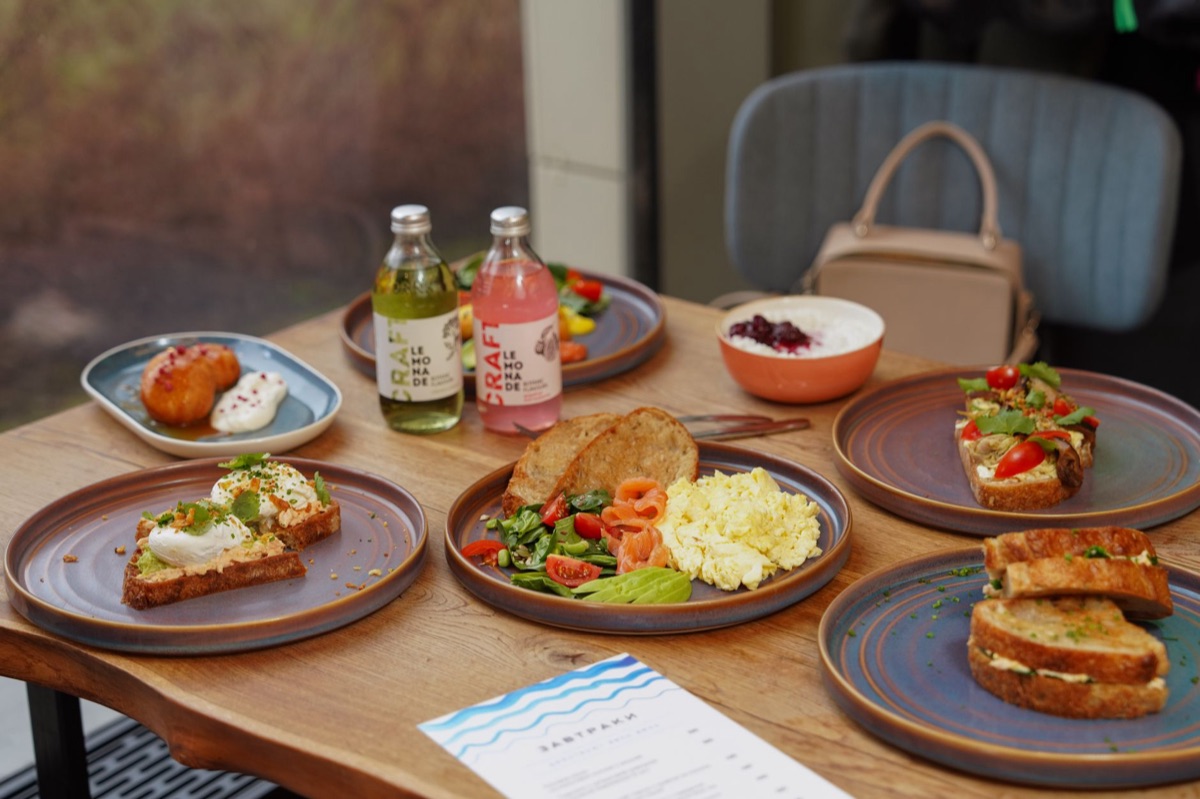
Pairing perfection: how do you elevate the ritual?
The steam rises from a ceramic cup, mingling with the scent of freshly sliced bread on a small wooden tray. It is a quiet moment of peace before the city begins its daily rush.
To truly understand the depth of this food, you must consider what you drink with it. While coffee is a global staple, pairing this bread with traditional Korean teas—such as barley tea (*boricha*) or corn tea (*oksusu-cha*)—creates a perfect harmony.
The toasted, nutty notes of these teas complement the earthiness of the red beans without overwhelming them. For a more modern twist, a light, floral tea like jasmine or a high-quality oolong can provide a refreshing contrast to the density of the bread.
If you are looking for a more substantial breakfast, a small side of lightly seasoned nuts or a piece of seasonal fruit can round out the meal.
This ritual is about mindfulness; it is a way to ground yourself before engaging with the vibrant, fast-paced energy of Seoul.
Quick guide: how to order like a local
You stand at the counter, looking at the beautifully arranged display of golden-brown loaves, wondering which one to choose.
To get the most out of your experience, keep these practical tips in mind:
- Check the Freshness Window: Most artisan bakeries bake in small batches. The best time to visit is right when they open or mid-morning to ensure you get the freshest, most textured bread.
- Ask About the Grain: If you prefer a more filling, healthy breakfast, ask if they use whole grains or rice flour. This often results in a more substantial texture.
- Mind the Sweetness: If you are sensitive to sugar, look for descriptions that mention "low sugar" or "natural sweetness."
- much-needed Observe the Etiquette: In many trendy Seoul cafes, it is common to order your food and drink at the counter first. Some might have a separate system for takeaway, so clarify if your selection is meant to be eaten in-house.
A Note on Variety
While these healthy, artisan versions are becoming more common, please note that not every bakery in Seoul follows this trend. You will still find many traditional, high-sugar versions in local markets.
If you are looking for the healthy, gourmet experience described here, look for shops that emphasize "artisan," "natural," or "small-batch" production.
#





Comments 0