D-Tower visit guide for foreigners: Seoul weather tips
"Exploring the vibrant streets of Seoul requires a clear understanding of the local environment and travel context."
A D-Tower visit guide for foreigners involves understanding the urban landscape and seasonal shifts to ensure a smooth experience. This guide offers strategic planning for visitors, including seasonal preparation, understanding local scale, and navigating the urban environment.
How to prepare for a D-Tower visit guide for foreigners?
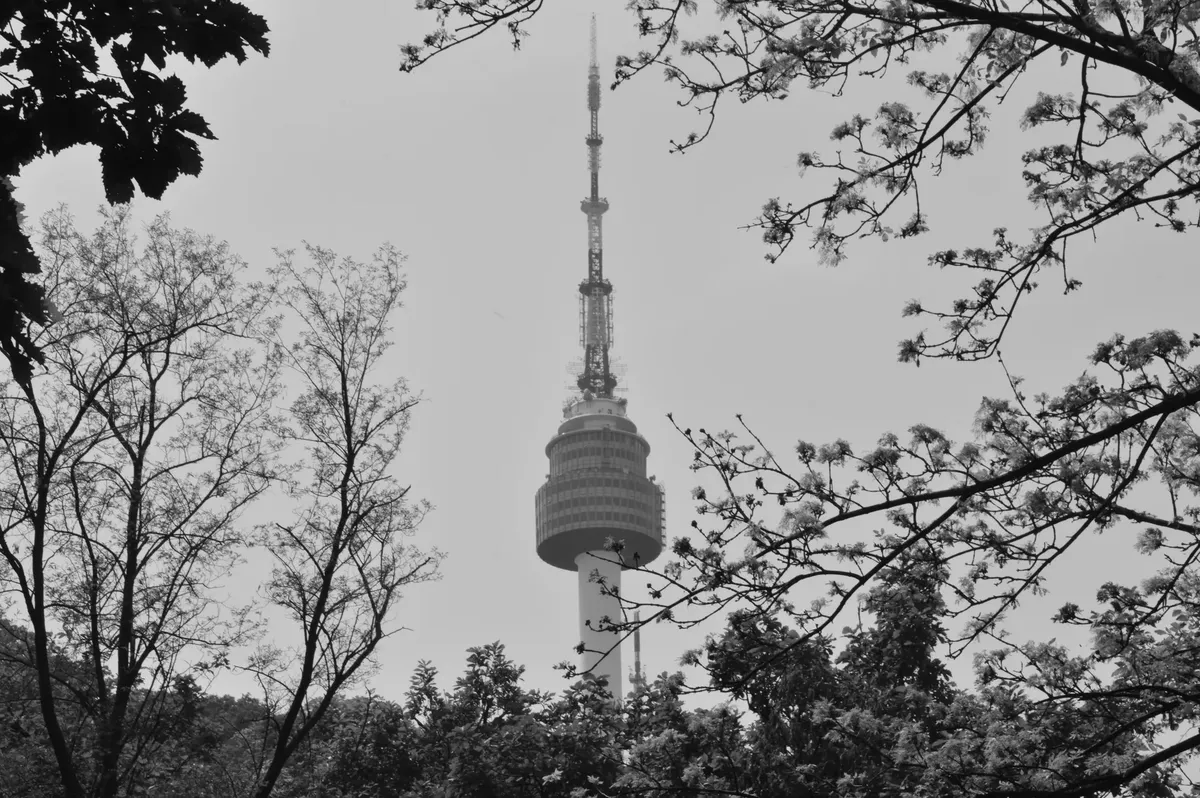
At dawn, a traveler brushes frost from their heavy coat while staring up at the looming glass tower.
A traveler stands at a busy intersection in Seoul, checking the weather on a smartphone before heading toward a modern glass tower. Preparing for a visit requires looking at the climate and the scale of the city.
According to the provided data, the average January temperature range in Seoul is −7 to 1 °C (19 to 34 °F), while the average August temperature range is 22 to 30 °C (72 to 34 °F). Travelers should pack layers to handle these shifts.
Summer can be uncomfortably hot and humid, with temperatures exceeding 30 °C (86 °F) in most parts of the country. Planning around these weather patterns is essential for a comfortable D-Tower tour for tourists.
Which D-Tower plan fits my city layout best? A tourist looks at a large paper map, tracing the distance from the coast to the city center. Understanding the geography helps in planning transit routes.
South Korea occupies the southern portion of the Korean Peninsula, which extends some 1,100 km (680 mi) from the Continental and East Asian mainland. Lowlands, located primarily in the west and southeast, make up only 30% of the total land area.
Navigating these diverse terrains requires a well-organized itinerary. A foreigner D-Tower tips strategy should account for the varying topography of the region.
How can I manage a D-Tower pricing guide approach?
A visitor checks their wallet and looks at a digital payment terminal at a cafe entrance. Budgeting for urban exploration involves understanding the scale of travel.

In 2020, South Korea recorded international tourist arrivals of 2,519,000 according to World Bank data. This volume of visitors highlights the importance of managing travel costs. A D-Tower pricing guide approach helps travelers allocate funds for dining and local transport.
What are my options for family visits at D-Tower? A family walks together through a bright shopping atrium, looking for a place to sit. Managing group dynamics is part of the travel experience.
The proportion of people aged 65 years and over is slated to reach over 20% by 2025 and close to 45% by 2050. This demographic shift means many travelers will be visiting with elderly family members.
A family visit options D-Tower strategy should prioritize accessibility and comfortable walking routes for all ages.
What are the local vs tourist attractions?
A traveler compares a high-tech gadget to a traditional souvenir in a local market. Distinguishing between different types of sights is key to a successful trip.
South Korea became a member of the OECD in 1996. The country's rapid development has created a unique mix of highly advanced infrastructure and traditional culture. Local vs tourist attractions often overlap in metropolitan areas like Seoul. Choosing between these can define the quality of a trip.
How to execute a successful visit?
A traveler steps into a sleek elevator, pressing the button for a high-floor observation deck. Following a structured approach ensures nothing is missed.
- Check the seasonal temperature to select appropriate clothing. 2. Map the transit route based on the peninsula's geography. 3. Set a daily budget based on the scale of arrivals and local costs.

I found that checking the temperature before leaving the hotel was an essential first step. Always carry a portable charger to keep navigation tools active.
A limitation of this guide is that it does not cover specific indoor venue pricing or individual shop hours.
- How to prepare for a D-Tower visit guide for foreigners?
- What is the best D-Tower plan for the city layout?
- How can I manage a D-Tower pricing guide approach?
The subject here is D-Tower visit guide for foreigners.
This part also covers D-Tower passes and prices.
Related
- Seongsu vs. Hongdae: Decoding Seoul's Style DNA in Pop-Ups
- K-Culture Shift: Pop-ups as the New Must-See Seoul Landmark
Considering the scale of Exploring vibrant streets?
Understanding the vastness of the city is crucial for a successful journey. The sheer size of the region, which extends from the mainland across the peninsula, informs travel pacing.
A traveler must appreciate that the lowlands, which cover a significant portion of the landmass, dictate the feasibility of certain journeys.
This scale influences how quickly one might wish to see sights. The rapid development seen since South Korea joined the OECD in 1996 reflects this dynamic environment. Therefore, the pace of exploration should match the scale of the undertaking.
How does the urban scale affect the visit?
The vastness of the city, which is informed by the peninsula's geography, dictates the necessary pacing for a successful journey. Navigating the lowlands, which constitute a large part of the landmass, affects how quickly one can move through the environment.
This scale must be considered when planning activities within the vibrant streets of Seoul.
The rapid development reflected since South Korea became an OECD member in 1996 mirrors this dynamic environment. Therefore, the pace of exploring vibrant streets should match the scale of the undertaking. This consideration is vital for a smooth experience in the urban landscape.
What considerations apply to the family group?
The demographic shift suggests that many travelers will be visiting with elderly family members. This reality influences the planning for family visit options in the D-Tower setting. The strategy must prioritize accessibility and comfortable walking routes for all members of the group.
Considering the proportion of people aged 65 and over is projected to increase significantly by 2050, the journey requires thoughtful pacing. This demographic information helps tailor the visit to suit mixed-age groups.
Cautionary Note on Travel Planning
Always check the seasonal temperature before setting out to ensure appropriate attire for the day's exploration. Furthermore, mapping the transit route based on the peninsula's geography aids in efficient movement through the city. This structured approach enhances the overall visit experience.






Comments 0