Seongsu K-Food Local Course: Guide to Seoul's vast scale
"To experience the true spirit of the city, one must move beyond the surface-level sights and engage with the living, breathing pulse of the streets."
A Seongsu K-Food Local Course allows you to navigate the urban landscape by blending historical context with modern culinary trends. This guide helps you understand the scale of the city, the density of the population, and how to manage your itinerary amidst the vast metropolitan area.
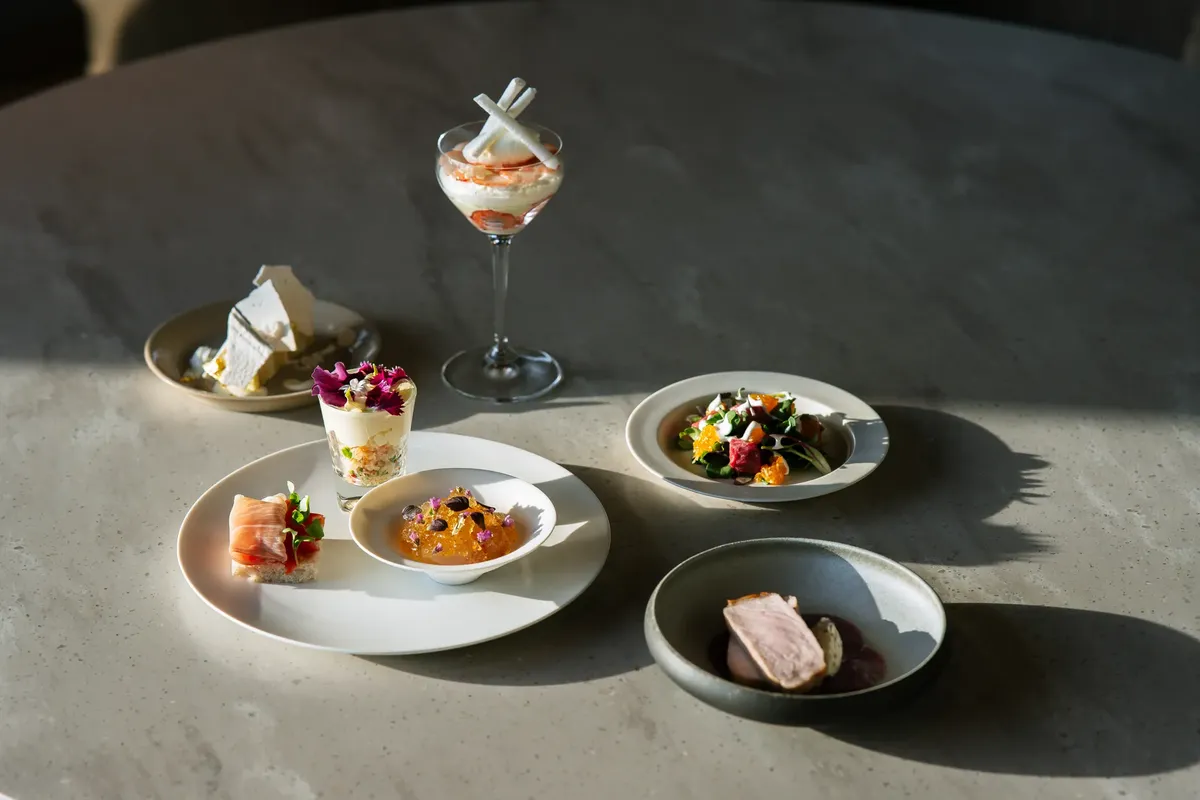
* Understand the sheer size of Seoul to plan your travel routes effectively. * Recognize the population density that drives the local food scene. ed. * Learn how to balance historical sightseeing with modern urban exploration. * Acknowledge the seasonal climate variations that affect outdoor dining.
Why is the scale of Seoul important for a Seongsu K-Food Local Course?
Walking through the vast streets of a district, one realizes that the urban sprawl is much larger than a single neighborhood. The size of the city dictates how much time you must allocate for traveling between food stops and cultural sites.
The scale of the metropolis is significant for any visitor. The two consecutive expansions more than doubled the size of Seoul from approximately 268 km2 (103 mi2) to 613 km2 (237 mi2).
This massive growth means that traveling from one end of the city to another requires careful planning to ensure you do not spend your entire day in transit.
However, the sheer size of the city can make it difficult to cover everything in a single trip.
How does the population density affect the local food scene?
At noon, I push through the heavy crowd in seongsu, feeling the heat of the bustling street against my skin.
Stepping into a crowded restaurant during peak hours, the energy of the crowd reflects the concentration of people living in the capital. The sheer number of residents creates a dynamic and fast-paced dining environment.
The demographic makeup influences the availability and variety of food.
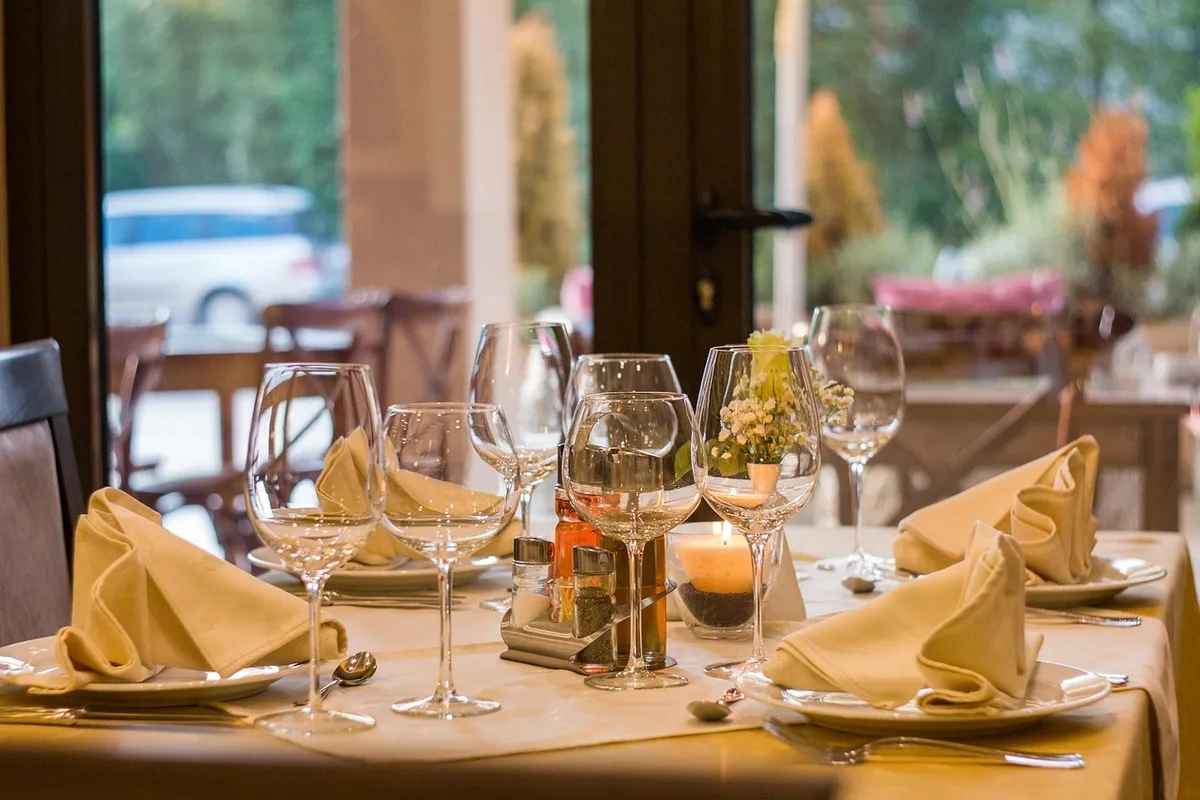
This high concentration of people ensures that the food scene remains vibrant and constantly evolving to meet diverse tastes.
However, high density can lead to long wait times at popular establishments.
According to World Bank, the 2023 record includes 16.1%.
What historical sites can be included in an Authentic Korean course Seoul?
Standing before the massive stone walls of a palace, the history of the nation feels immediate and tangible. Integrating these landmarks into your food tour provides a sense of continuity between the past and the present.
The Seoul Capital Area contains significant cultural treasures. Within the Seoul Capital Area lie five UNESCO World Heritage Sites: Changdeokgung, Hwaseong Fortress, Jongmyo, Namhansanseong, and the Royal Tombs of the Joseon dynasty.
Visiting these sites provides a cultural backdrop to your culinary journey.
However, the relevance of these sites may vary depending on your specific interests in tradition.
How can you plan a Best eats Seongsu style itinerary?
Navigating the streets with a map in hand, you must consider the geographic layout to avoid exhaustion. The division of the city can be complex for those unfamiliar with its structure.
The layout of the city is roughly bisected into northern and southern halves by the Han River. Seoul proper comprises 605.25 km2 (233.69 sq mi), with a radius of approximately 15 km (9 mi). Understanding this division helps in grouping your dining locations to minimize travel time.
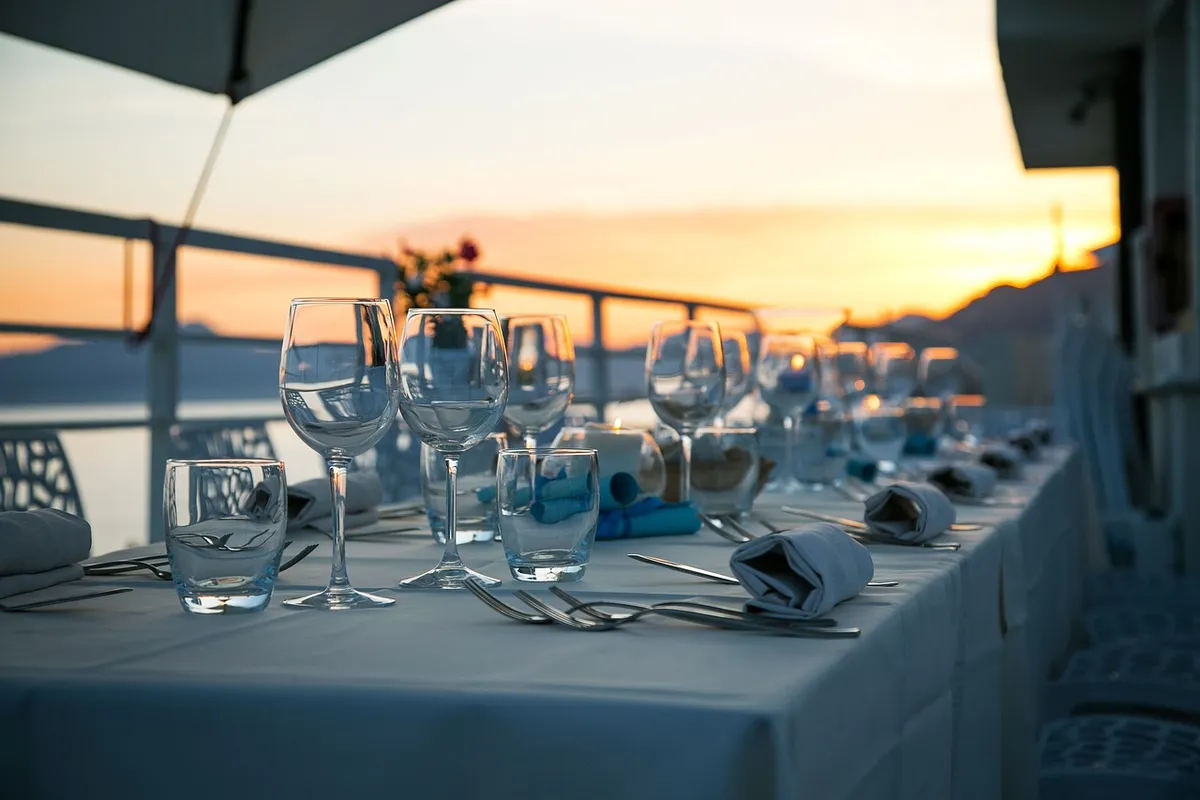
- Select a central neighborhood to minimize travel time.
- Identify key culinary landmarks within the area.
- Balance heavy meals with lighter snacks throughout the day.
What should you consider for a Local taste journey Seoul regarding weather?
Feeling the sudden heat of a summer afternoon, you realize that the climate plays a major role in your comfort. Seasonal changes dictate whether you seek out hot soups or cold noodles.
The climate of the region is subject to significant seasonal shifts. Seoul has a humid continental or humid subtropical climate, influenced by the monsoons, with great variation in temperature and precipitation throughout the year.
August, the hottest month, has average high and low temperatures of 30.0 and 22.9 °C (86 and 73 °F) with higher temperatures possible.
However, extreme weather conditions may limit your ability to explore outdoor markets.
How much of the visitor traffic focuses on the city?
Watching the crowds of travelers at a major transit hub, it becomes clear how central the capital is to the international tourism experience. The city serves as the primary gateway for most people entering the country.
The concentration of visitors is remarkably high. Of the 11,031,665 foreign tourists visiting South Korea in 2023, 80.3% visited Seoul. This high volume of travelers means that popular dining spots can become very busy, so timing your visits is essential.
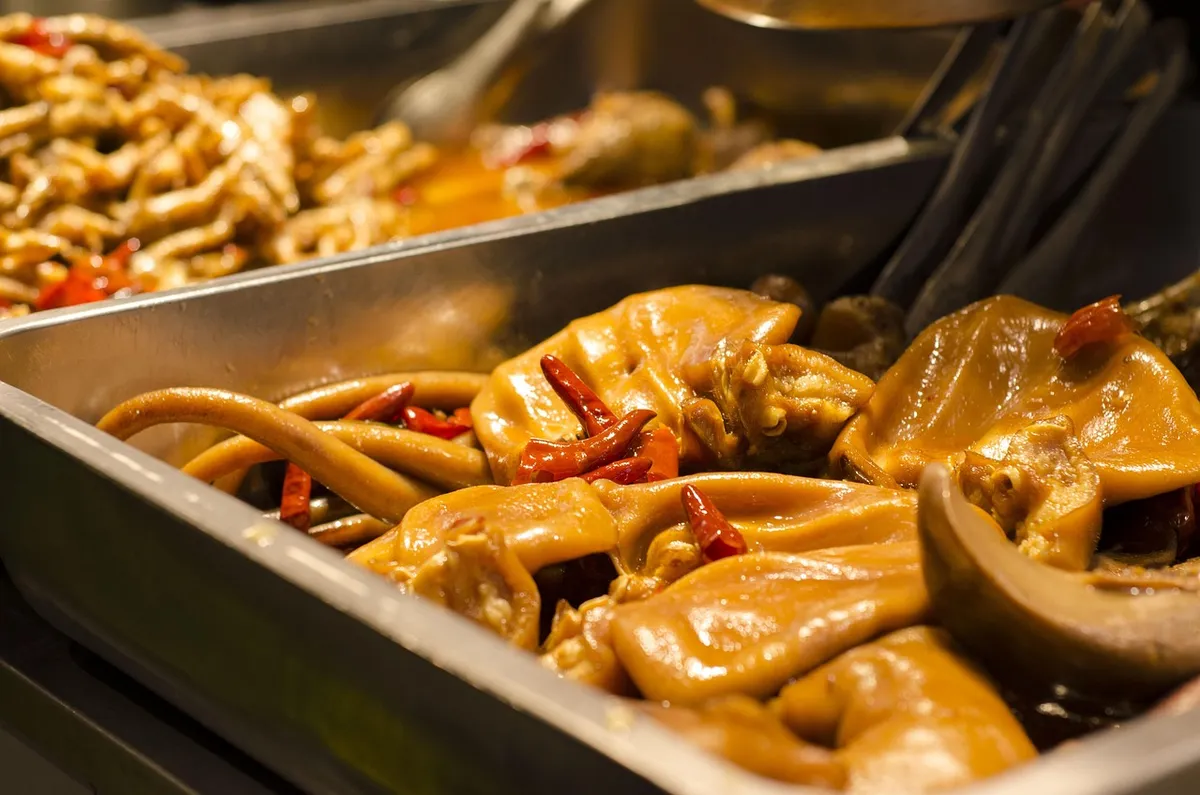
However, the concentration of visitors can fluctuate significantly depending on the season.
World Bank Based on the retained excerpt mentioning World Bank: According to World Bank data, South Korea recorded agricultural land share of 16.1% in 2023.
The subject here is Seongsu K-Food Local Course.
The same subject is also called Seongsu local dining guide.
This part also covers Seongsu hidden gem dining.
This part also covers Korean street food tour.
This part also covers Cafe to meal combo.
Seongsu hidden gem dining
Related
- Why is Seoul a major destination for international visitors?
- Seoul cooling spa tips: Recovery after hot air 60 °C
How does the climate influence the dining experience?
The humid continental climate of the region mandates adaptability for dining enthusiasts. Visitors must account for the extreme temperature swings characteristic of the area.
This variation means that the same dish might be enjoyed differently depending on whether it is a sweltering summer day or a crisp autumn evening.
- During the height of summer, the heat drives preferences toward cooling dishes. 2. Conversely, colder months encourage the pursuit of warming, hearty fare. 3. This climatic reality shapes the menu offerings available to the discerning palate seeking the true spirit of the city.
How does the city's structure affect the journey to experience the true spirit of the city?
The Han River serves as a critical geographical divider, suggesting that a comprehensive exploration requires traversing both the northern and southern sections of the metropolis. This structural reality means that a successful itinerary cannot focus on a single half of the city.
To truly experience the city, one must acknowledge this division while planning movement between different dining experiences.
This awareness of the city's dual nature is key to a successful local taste journey. The sheer scale, once understood, transforms the visit from a simple tour into a deep dive into the urban ecosystem.
Therefore, the journey requires more than just tasting food; it demands geographical comprehension.
This combination of scale, density, and structural division allows the visitor to match the vastness of the city with the intimacy of a specific culinary moment. It is this interplay that allows one to experience the true spirit of the city.


Comments 0