SeoulTech: Tracing 50 Years of Korea's Tech Ascent
"The history of an institution is often the history of a nation's ambition written in brick and mortar."
To understand the rapid rise of South Korea from a post-war reconstruction era to a global technological powerhouse, one must look at the institutions that fueled that engine.
Seoul National University of Science and Technology (SeoulTech) represents a living timeline of this transition, evolving from a specialized vocational school into a premier research university.
Key Takeaways * Vocational Roots: The institution began with a mission to provide practical, technical expertise to support a developing economy.
* Strategic Transitions: Through several name changes and curriculum overhauls, the school adapted to the shifting demands of the Korean government and industry.
* Modern Identity: Today, the university is a leader in science and technology, moving far beyond its original industrial training roots. * Urban Integration: The school's growth mirrors the massive expansion and densification of Seoul itself over the decades.
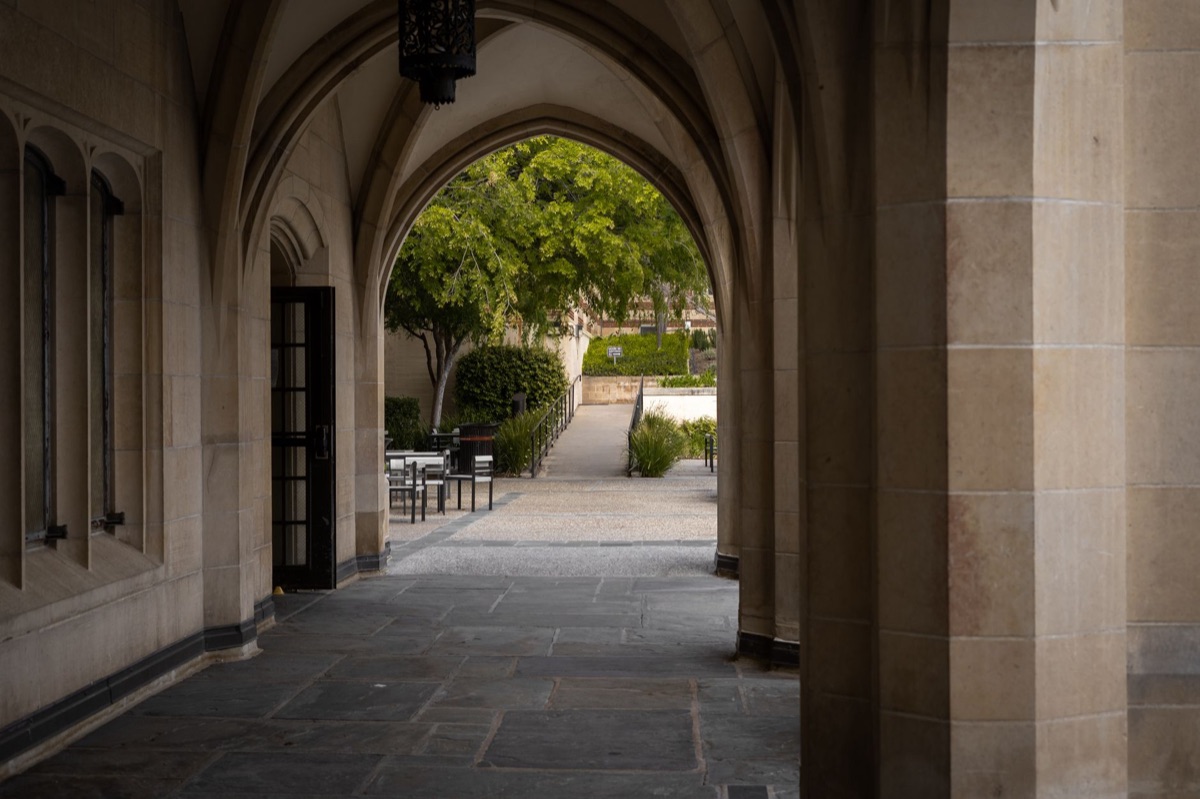
What was this institution's original mission? At 8:00 AM in 1946, the morning sun hits the quiet campus gates, where the air feels thick with the weight of industrial history.
A student walks past a building that once housed workshops rather than lecture halls, reflecting on how much the curriculum has changed since the school first opened its doors.
The foundation of the institution was built on the immediate, practical needs of a nation in transition. Following the mid-century period, South Korea required a workforce that could handle the mechanical and industrial demands of rapid rebuilding.
The school was established as a public vocational institution, focusing on technical mastery and hands-on training.
At that time, the curriculum was not about abstract theory or high-level research; it was about the immediate application of skills.
The school served as a cornerstone for the technical class, providing the specialized knowledge required to run the factories and infrastructure that were beginning to define the Korean landscape.
This early focus on vocational excellence laid the groundwork for the rigorous technical standards the school maintains today. As the school grew, so did the complexity of its mission, moving from basic technical training to more sophisticated engineering and science.
But the shift from workshops to research labs was not a smooth path.
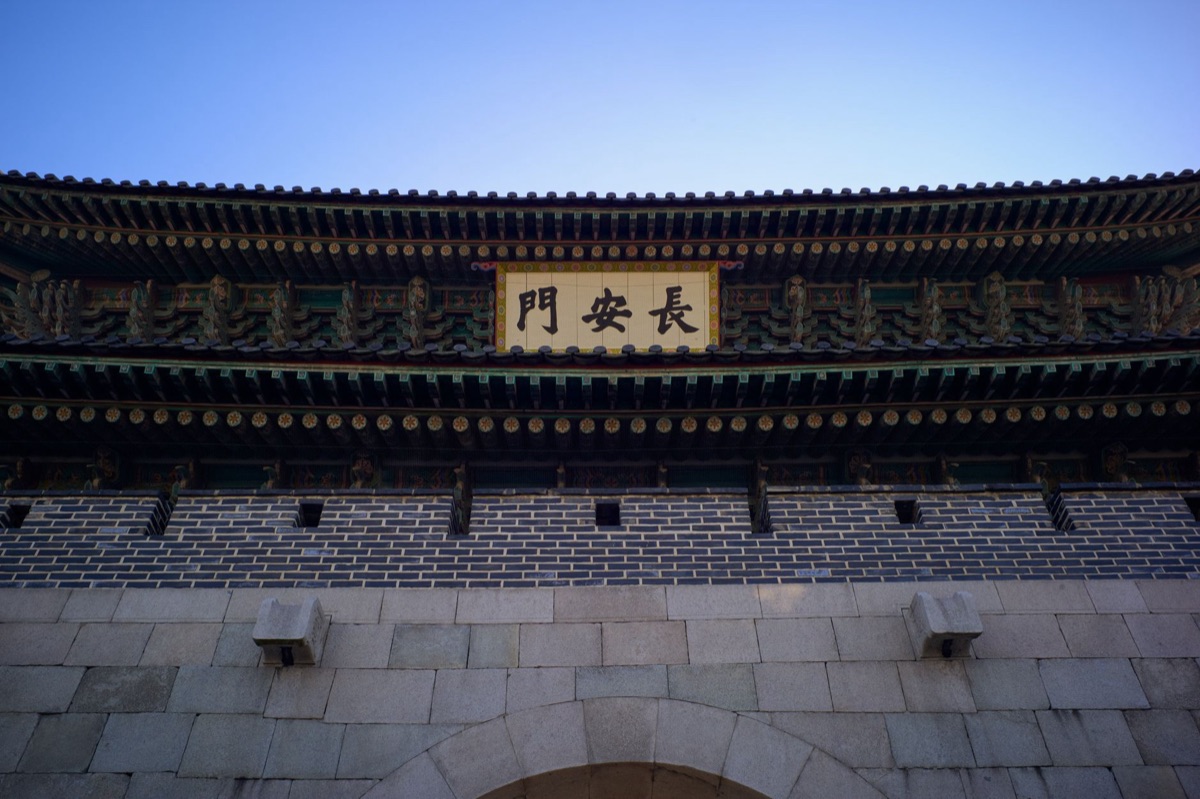
How did the institution undergo its major transformations?
A researcher sits in a modern, glass-walled laboratory in 2025, surrounded by high-tech equipment that would have been unrecognizable to the students of the 1950s.
The transition from a vocational school to a comprehensive technological university was not a single event, but a series of calculated shifts.
The journey of the institution is marked by several key milestones and name changes that reflected the evolving educational landscape of South Korea. As the country moved from industrialization to the information age, the school had to pivot to remain relevant.
This involved transitioning from a technical college to a more robust university structure, expanding its academic scope to include advanced research and theoretical sciences.
These changes were driven by both government mandates and the necessity of meeting global technological standards. The physical footprint of the campus also underwent significant changes during these periods.
As the city grew and the school's importance increased, the campus underwent various phases of expansion and reorganization.
These shifts were not just about names on a diploma; they were about the capacity to produce the next generation of innovators. However, the most visible change was how the school integrated with the world around it.
What is the university's modern identity? The hum of a 3D printer and the glow of computer monitors fill the student lounge at 3:00 PM, where a group of engineers discusses a complex coding problem. The school has successfully rebranded itself, moving from a "vocational" label to a prestigious "science and technology" identity.
According to the World Bank, South Korea recorded a share of internet users of 97.9% in 2024. This digital saturation mirrors the academic shift toward information and data sciences. Today, the university is recognized as a leading institution in the fields of engineering and applied sciences.
It has moved beyond the limitations of its early industrial focus to become a hub for innovation and research.
The modern campus is a blend of traditional academic spaces and cutting-edge research facilities, catering to a student body that is globally oriented. The current specialization in science and technology allows the university to compete on an international level.
It plays a vital role in the Korean higher education system, producing graduates who are prepared for the high-tech economy.
The school's ability to bridge the gap between practical application and advanced research is its defining characteristic. This modern identity ensures that the school remains at the forefront of the technological shifts happening globally.
But the school did not grow in a vacuum; it grew with the city.
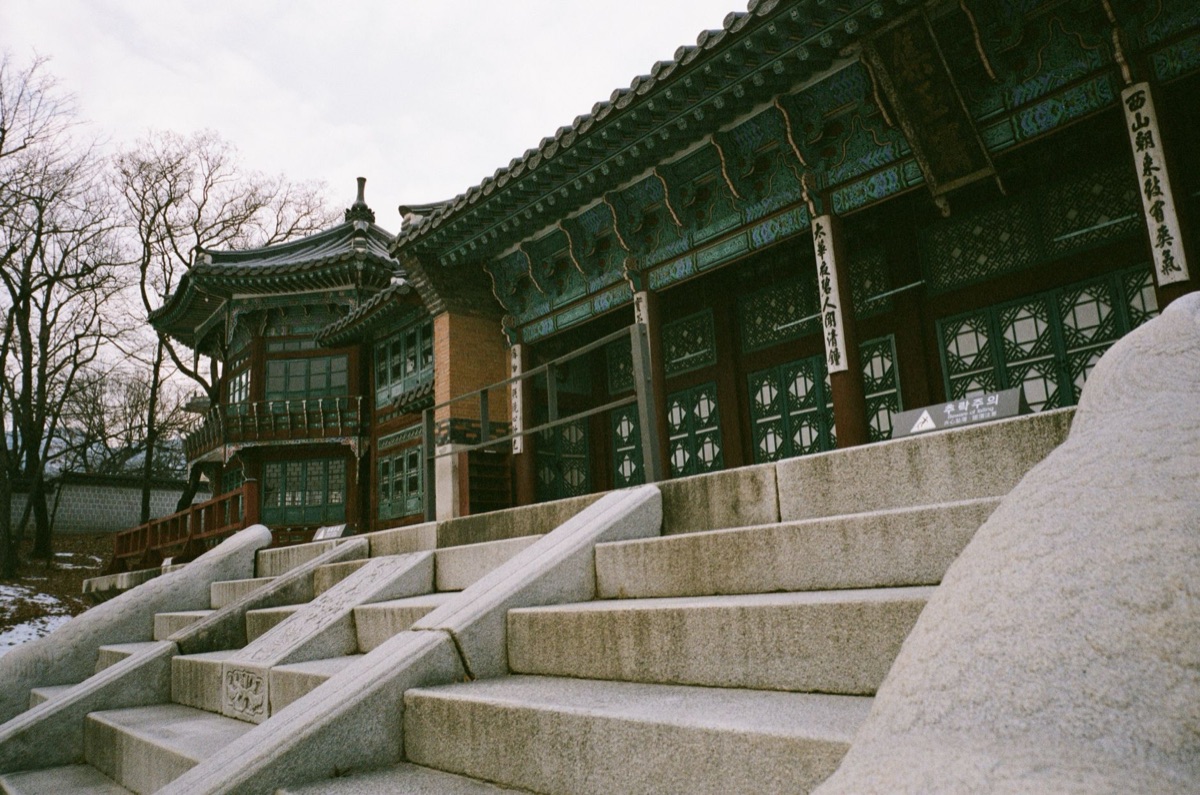
How has the relationship between the institution and Seoul evolved?
Walking through the bustling streets of Nowon-gu in the late afternoon, the sounds of the city blend with the academic energy radiating from the campus. The urban landscape around the school has changed just as much as the curriculum inside the classrooms.
The growth of the university is inextricably linked to the growth of Seoul. As the city expanded, the school's role and its physical presence within the urban fabric evolved.
The expansion of Seoul was a massive undertaking, and the school's development mirrored the city's shift toward becoming a global metropolis.
The concentration of the population and the industrial shifts within the capital necessitated an institution that could provide high-level technical expertise.
The school's evolution reflects the broader trend of South Korean society: the move from manual labor and basic industry toward a knowledge-based, high-tech economy. The institution has essentially grown alongside the city, serving as an intellectual engine for the capital's development.
This synergy between the urban environment and the academic mission has been a constant driver of progress. Still, the true measure of this growth lies in the data and the people it produces.
What are the measurable impacts of this evolution?
A graduation ceremony takes place in a grand hall, where the sheer number of students and the diversity of their research projects demonstrate the scale of the school's growth. The transition from a small vocational school to a large-scale university is visible in every metric of its operation.
The scale of growth is evident in the enrollment numbers and the expansion of the campus facilities. What started as a specialized school has become a large-scale institution with a diverse student body and a wide range of academic departments.
The shift toward modern educational standards is seen in the heavy emphasis on research and the internationalization of the campus.
During the various phases of transition, the school had to manage significant changes in student body composition and resource allocation. The shift from a purely vocational focus to a research-heavy curriculum required a massive overhaul of faculty and facilities.
When I visited the campus recently, I noticed how the old industrial architecture was being repurposed into digital media labs and robotics centers. This blend of the old and the new is the living proof of their success.
To understand the trajectory of the school, one can look at the following progression:
- Foundational Phase: Establishing basic technical and industrial training to support post-war reconstruction.
- Expansion Phase: Growing the campus and curriculum to meet the needs of a rapidly industrializing nation.
- Academic Pivot: Transitioning from a vocational college to a comprehensive technological university.
- Global Integration: Focusing on high-level research and international standards to compete globally.
The impact of this evolution is felt not just on campus, but in the industries and technological sectors that the university supports.
| Era | Primary Focus | Key Characteristic |
|---|---|---|
| Post-War Reconstruction | Manual and Mechanical Skills | Hands-on vocational training |
| Industrial Expansion | Engineering and Infrastructure | Large-scale technical education |
| Modern Era | Science and Technology | Advanced research and innovation |
#






Comments 0