Seoul K-pop music video sites: Guide to cultural shifts
"The intersection of music, culture, and urban history often leads fans to seek out the specific locations that shaped their favorite artists' journeys."
Exploring Seoul K-pop music video sites involves navigating a mix of historic halls and modern entertainment districts. This guide focuses on understanding the cultural significance of locations like the KBS Hall and the broader industry landscape that shapes these destinations.
* Identify historic music venues like the KBS Hall. * Understand the economic impact of the K-pop industry on Seoul. * Recognize the cultural shifts within the entertainment landscape.
Where can you find historic music venues in Seoul?
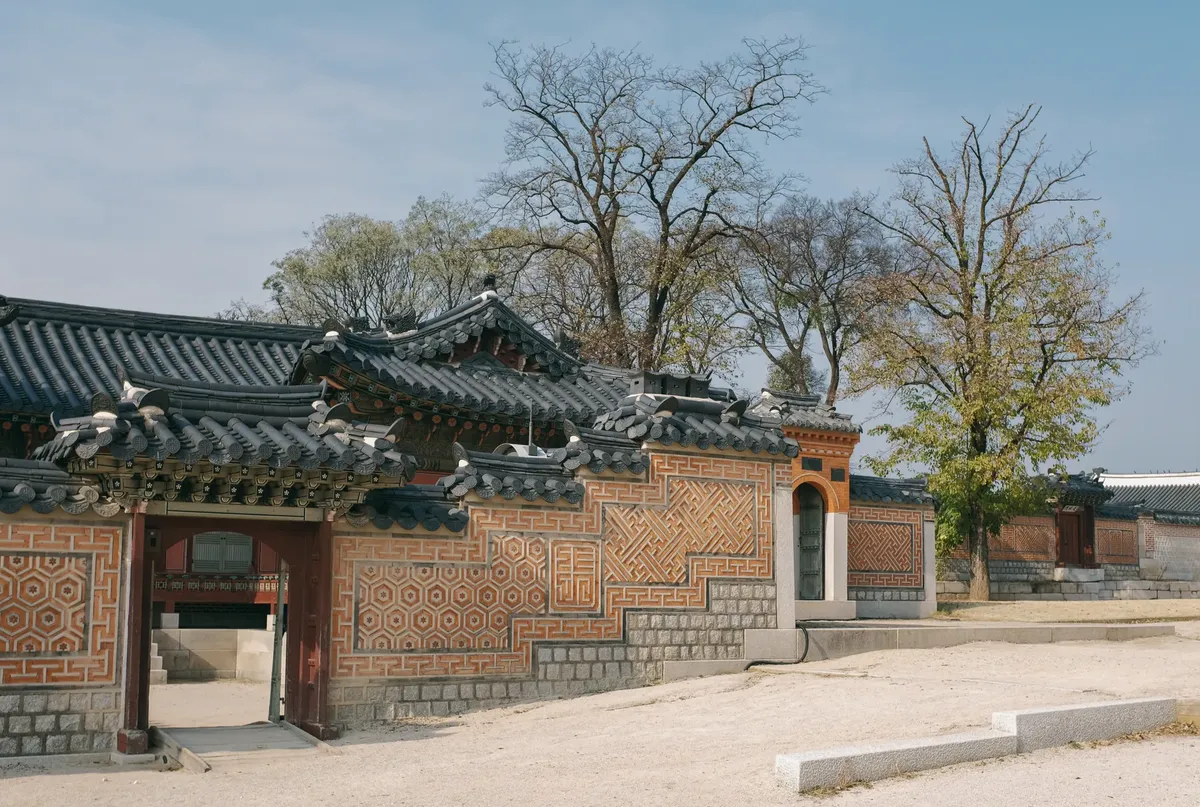
As evening falls over Seoul, a traveler brushes their hand against the cold stone walls of a historic hall while listening to the faint echo of old melodies.
A traveler walks through the quiet halls of a historic venue, feeling the echo of past performances.
In October 2012, the KBS Hall in Seoul hosted major international music festivals, specifically the First ABU TV and Radio Song Festivals within the frameworks of the Pacific Broadcasting Union 49th General Assembly.
This venue represents a significant moment in the city's musical history, hosting international gatherings that helped cement Seoul's status as a global hub. Visiting such locations provides a sense of how the city transitioned from local broadcasting to international stardom.
The scale of these festivals reflects the growing importance of the music industry in the region.
How did the K-pop industry influence Seoul's economy? Seoul K-pop music video sites
At sunset in a bustling office in Seoul, an economist rubs their tired eyes while staring at a screen filled with surging growth trends.
An economist looks over a spreadsheet of market fluctuations, noting the rapid growth of a specific sector. Between 2011 and 2012, the government budget for the business grew over 250%. This massive influx of support helped fuel the expansion of the industry and the global popularity of its artists.
This rapid growth turned the music industry into a cornerstone of the national economy. The expansion allowed for more sophisticated production, which in turn created the visually stunning music videos that fans visit today.
This scale of investment changed the cultural landscape of the city significantly.
What were the economic impacts of industry scandals?
A business analyst tracks the sudden decline of stock prices on a digital screen.
Between February 25 and March 15, 2019, five major South Korean entertainment companies lost 17.52 percent in value, with their market value dropping from 3.35 trillion won (around US$2.96 billion) to 2.76 trillion won.
The volatility of the industry is evident when scandals affect market capitalization. For instance, stocks dropped for the "big three" K-pop management companies: YG Entertainment, which saw a 24.8 percent drop, SM Entertainment at 20 percent, and JYP Entertainment at 5.5 percent.

Additionally, Cube Entertainment and FNC Entertainment experienced 20 percent drops.
How do industry shifts affect the fan experience?
A fan stands in a busy district, reflecting on the changing faces of their favorite idols. While the industry grew, it also faced intense scrutiny regarding its internal culture and social impact. Critics often discussed how the industry handled gender and social responsibility.
The Korean Women Lawyer's Association spokesperson, Jang Yun-mi, noted that the industry in Korea functioned as a "boys' club." These social dynamics and the critiques regarding the sexualization of women have shaped how fans engage with the industry.
Understanding these complexities is part of visiting any cultural epicenter.
What is the scale of international interest in South Korea?
An airport terminal hums with the energy of arriving travelers from around the globe. According to World Bank data, South Korea recorded international tourist arrivals of 2,519,000 in 2020. This level of interest highlights the global reach of Korean culture.
The influx of visitors often includes those seeking to visit specific filming locations or music-related landmarks. This global interest drives the demand for tourism infrastructure throughout Seoul. The data shows the massive scale of international movement toward the country.
How do you plan a visit to these locations?
A traveler sits at a cafe, marking potential stops on a digital map. To make the most of a trip, follow these steps:
- Research the historical significance of venues like the KBS Hall to understand the context of the music. 2. much more than just visiting a set, look into the economic history of the companies involved. 3. Check current local news to ensure that the sites are accessible and understand the current social climate.
I found that comparing the historical dates of festivals to modern-day visits helps provide a better perspective on the city's growth.
| Event/Period | Financial Metric |
|---|---|
| 2011-2012 | Over 250% budget growth |
| Feb-Mar 2019 | 17.52% value loss in five companies |
A limitation of this guide is that it focuses on historical and economic data rather than real-time travel logistics.
- Where can you find historic music venues in Seoul?
- How did the K-pop industry influence Seoul's economy?
- What were the economic impacts of industry scandals?
The subject here is Seoul K-pop music video sites.
The same subject is also called Seoul K-pop filming locations.
The same subject is also called K-pop music video tour Seoul.
The same subject is also called Seoul K-pop pilgrimage spots.
The same subject is also called K-pop fan tour in Seoul.
This part also covers Best Seoul K-pop filming sites.
This part also covers Seoul K-pop fan itinerary.
This part also covers Visit K-pop video locations.
Related
- How much interest exists in a Seoul K-pop fan tour guide?
- Tourism infrastructure guide: regional movement trends
Why is the intersection of music and culture so important?
The intersection of music and culture provides a lens through which to view the rapid changes in modern urban centers like Seoul. The music itself becomes a reflection of broader societal shifts occurring within the city.
This cultural reflection is what draws international attention to the musical journey of artists.
Understanding this dynamic relationship allows visitors to move beyond simply enjoying the music videos. Instead, they gain insight into the powerful forces that shaped the industry's rise and its global reach. The music acts as a tangible artifact of these complex cultural transitions.
This deep dive into the cultural artifacts helps explain why certain locations hold such significance for fans. They are not merely backdrops; they are chapters in the city's modern history book, bound together by musical expression.





Comments 0