Seoul subway Tmoney guide: Tips for easy travel
"The seamless transition between stations and the efficiency of the transit network make navigating the city feel intuitive for those prepared."
Using the Seoul subway Tmoney guide effectively requires understanding how to manage balances and transfer rules before stepping onto a platform. This guide covers essential preparation for first-time riders, how to avoid common pitfalls, and the specific steps for loading funds.
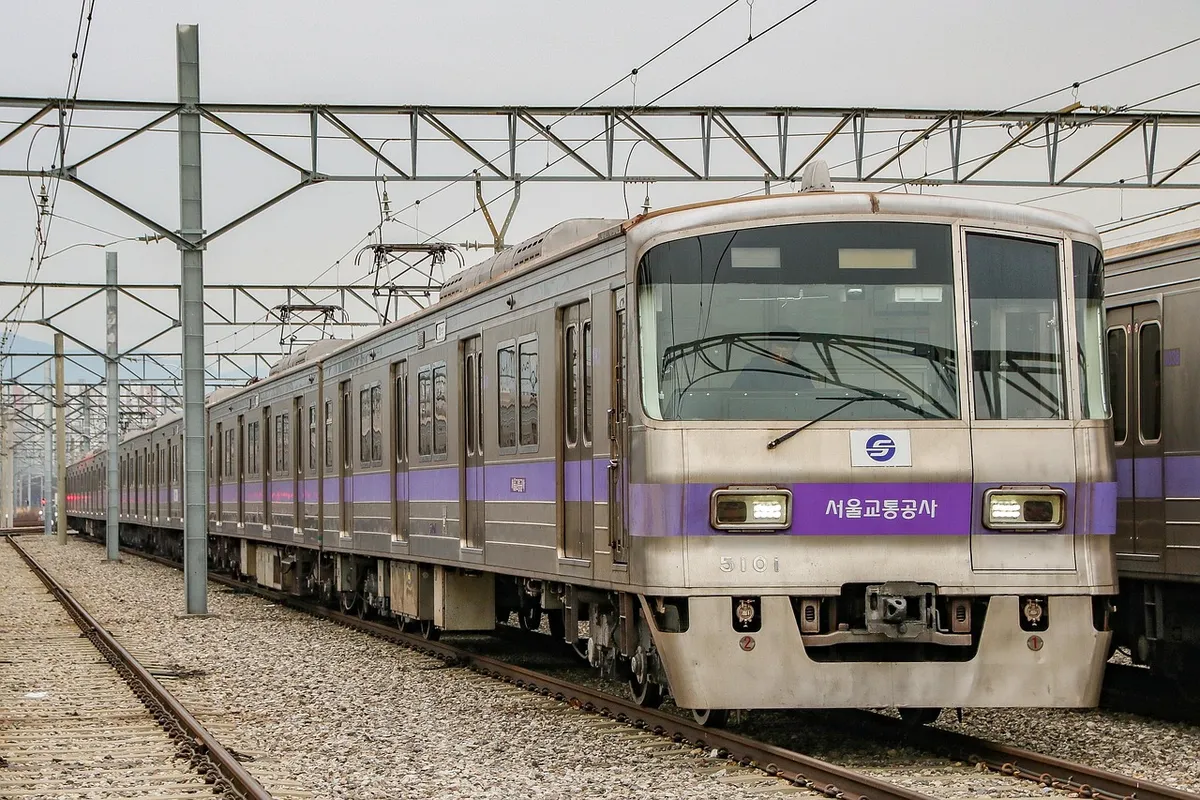
This information is for travelers seeking a smooth transit experience, though it is limited to the basic mechanics of card usage rather than specific route planning.
How do I prepare for a Seoul subway Tmoney guide?
At dawn in a quiet station, I grip my new card tightly while studying the seoul transit map on my phone.
A traveler stands before a glowing vending machine at a busy station, clutching a plastic card and looking at the screen. Preparing for your trip involves ensuring your card is compatible with all transit modes and understanding the basic cost of travel.
For those seeking a Seoul subway Tmoney guide, the first step is acquiring a card that works across buses and trains. A single card simplifies the entire journey through the city. You should ensure you have enough credit to cover multiple transfers, as the system relies on continuous tapping.
Navigating local transit becomes much easier when you understand that the card functions as a digital wallet. While you carry the card, you must also carry enough cash or have a mobile payment method ready for top-ups. This preparation prevents delays at the turnstile during peak hours.
What are the key elements of a Metro card use tips routine?
A commuter taps their card against a sensor, hearing a quick beep that signals a successful gate entry. Following Metro card use tips involves understanding the relationship between tapping in and tapping out.
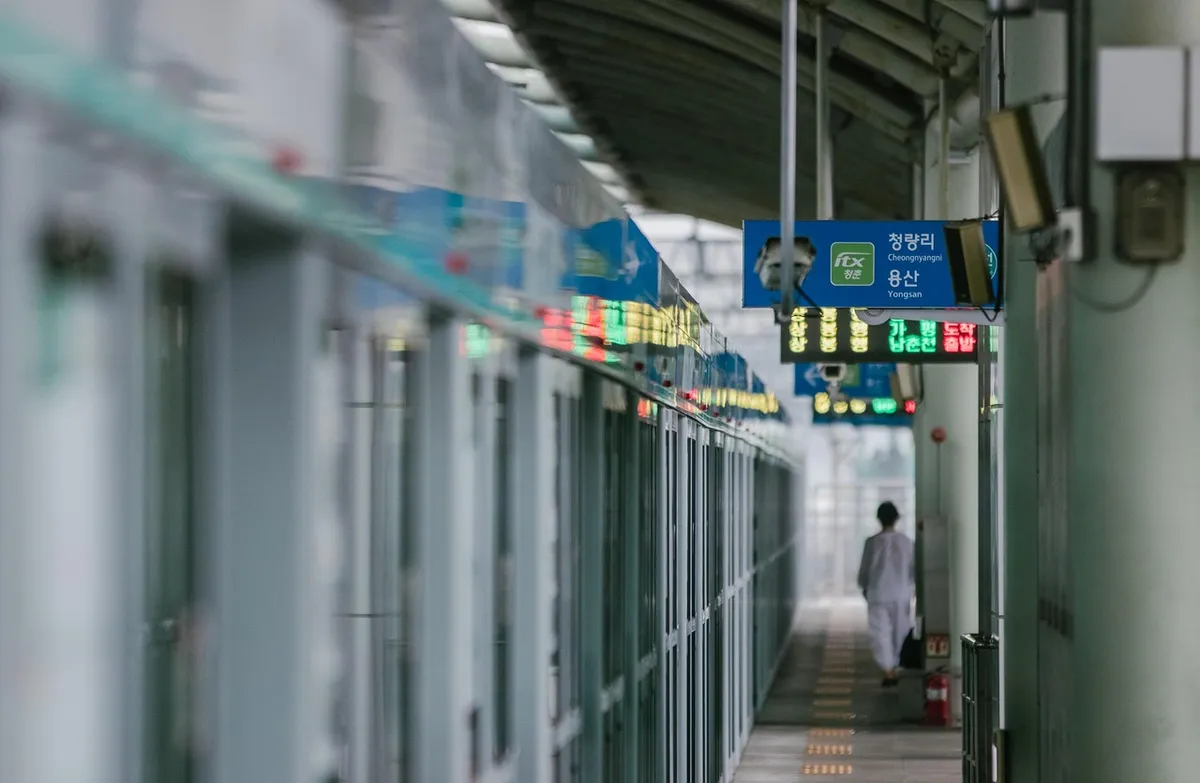
Every time you enter or exit a station, you must tap your card to ensure transfers are calculated correctly. If you forget to tap out, the system may charge a higher fare or prevent you from using a transfer discount.
Maintaining a consistent habit of tapping at every gate is essential for cost-effective travel.
Subway travel check procedures should include verifying your remaining balance at a kiosk or on a mobile app. This prevents the frustration of a "low balance" error at a turnstile. Checking your card status before a long trip ensures you do not get stuck mid-journey.
According to World Bank, the 2025 record includes 2.1%.
How do I master Tmoney before ride success?
Before the morning rush, I stand at a brightly lit kiosk in seoul and carefully slide my card into the slot to check my balance.
A passenger approaches a kiosk with a handful of coins, carefully inserting them into the slot to add credit. Mastering Tmoney before ride begins means understanding where and how to add funds.
To ensure a smooth trip, follow these three steps for loading your card:
- Locate a transit kiosk or a convenience store near the station entrance. 2. Insert your card into the designated reader and select the top-up amount. 3. Confirm the transaction is complete and check the new balance on the screen.

I once found that checking the balance at the station kiosk immediately after a top-up provided much-needed peace of mind. This quick check ensures the transaction was processed correctly before you head toward the platform.
Can I manage a first time subway trip effectively?
A tourist looks up at a colorful map, then back at their card, trying to match the colors to the physical gates. A first time subway trip can feel overwhelming without a clear understanding of the tapping process.
The system is designed for high-frequency use, meaning you move through gates quickly. You must tap the same card for every leg of your journey to utilize the integrated transfer system. If you switch cards between different legs of a trip, you will lose the discount provided by the network.
An easy travel experience depends on knowing that the card is your primary tool for movement. You do not need to buy individual tickets for every single ride. Simply keeping the card topped up allows you to focus on your destination rather than the fare.
How do I handle a subway travel check when traveling?
A traveler checks their phone while standing near a station entrance, verifying their route and card status. Performing a subway travel check regularly helps you stay ahead of potential issues.
| Action | Purpose |
|---|---|
| Tapping at entry | Initiates the journey and records the starting point |
| Tapping at exit | Completes the journey and calculates the total fare |

This comparison shows that both actions are required for a single trip. Neglecting either part of the cycle disrupts the automated fare calculation.
A limitation of this guide is that it does not cover the specific nuances of regional transit cards outside the Seoul metropolitan area.
World Bank Based on the retained excerpt mentioning World Bank: According to World Bank data, South Korea recorded inflation (consumer prices) of 2.1% in 2025.
- How do I prepare for a Seoul subway Tmoney guide?
- What are the key elements of a Metro card use tips routine?
- How do I master Tmoney before ride success?
The same subject is also called Seoul transit guide.
Related
- Seoul Subway Line Guide: Navigating City's Pulse
- Seoul cooling spa tips: Recovery after hot air 60 °C
When is the seamless transition most critical?### The seamless transition between stations is most critical when you are attempting to utilize the integrated transfer system. This system requires that you use the same card for every leg of your journey through the network. If you fail to use the same card, the network will not apply the expected discount.
For the transit network to operate efficiently, understanding the timing of your taps is paramount. Tapping in initiates the journey, and tapping out concludes it, allowing the system to calculate the correct fare. This dual action is necessary for a successful trip.
If you are experiencing issues, you should verify your card status at a kiosk or mobile app before starting a long journey. This proactive step prevents the frustration of a low balance error when you reach a turnstile.
The efficiency of the transit network relies on this sequence. The initial tap registers your entry, and the final tap registers your exit, allowing the system to manage the fare automatically. This careful management ensures a smooth journey through the city.
- Ensure you tap your card at every transfer point. 2. Keep the same card ready for each leg of the trip. 3. Complete your journey within the designated transfer window. In this sequence, the second step is the most important.






Comments 0