Seoul Subway Line Guide: Navigating City's Pulse
"The pulse of a city is often found beneath its feet, where transit lines weave through the history and commerce of the streets above."
Navigating the Seoul subway system offers a window into the urban evolution of one of the world's most dynamic metropolises. This guide explores how transit lines define commercial hubs and historical roots, providing essential tips for travelers to master the underground flow.

Key takeaways: * Understand the intersection of transit and urban commerce. * Learn to navigate historical and modern transit hubs. * Recognize how underground networks shape city life.
How does a Seoul subway line guide a traveler?
A traveler stands at a busy intersection, watching the rhythmic arrival of trains that define the city's pace. A Seoul subway line guide helps commuters and tourists alike navigate the complex web of transfers and exits that lead to specific neighborhoods.
Understanding the layout is the first step to mastering any transit system. By studying the color-coded lines and transfer points, one can move seamlessly between business districts and historic sites. This knowledge turns a labyrinth into a predictable path for daily life.
- Identify your destination color on the transit map.
- Follow the directional signage toward the correct platform.
- Monitor the digital displays for real-time arrival updates.
What truly defines a subway station's history? A researcher traces the aging architecture of a station, noting the difference between vintage tiles and modern digital displays. A subway station history often reveals the era in which a specific district was developed or revitalित.
In many cities, the depth and design of a station reflect the technological capabilities of its time. Older stations might feature narrower platforms, while newer lines offer expansive, multi-level hubs. Studying these changes provides a timeline of urban expansion and engineering progress.
In this sequence, the second step is the longest.
What is life like on the Seoul transit system? A commuter grips a handrail, feeling the slight sway of the train as it moves through a tunnel. Seoul transit life is characterized by high frequency, punctuality, and an incredible density of connectivity that supports millions of daily trips.
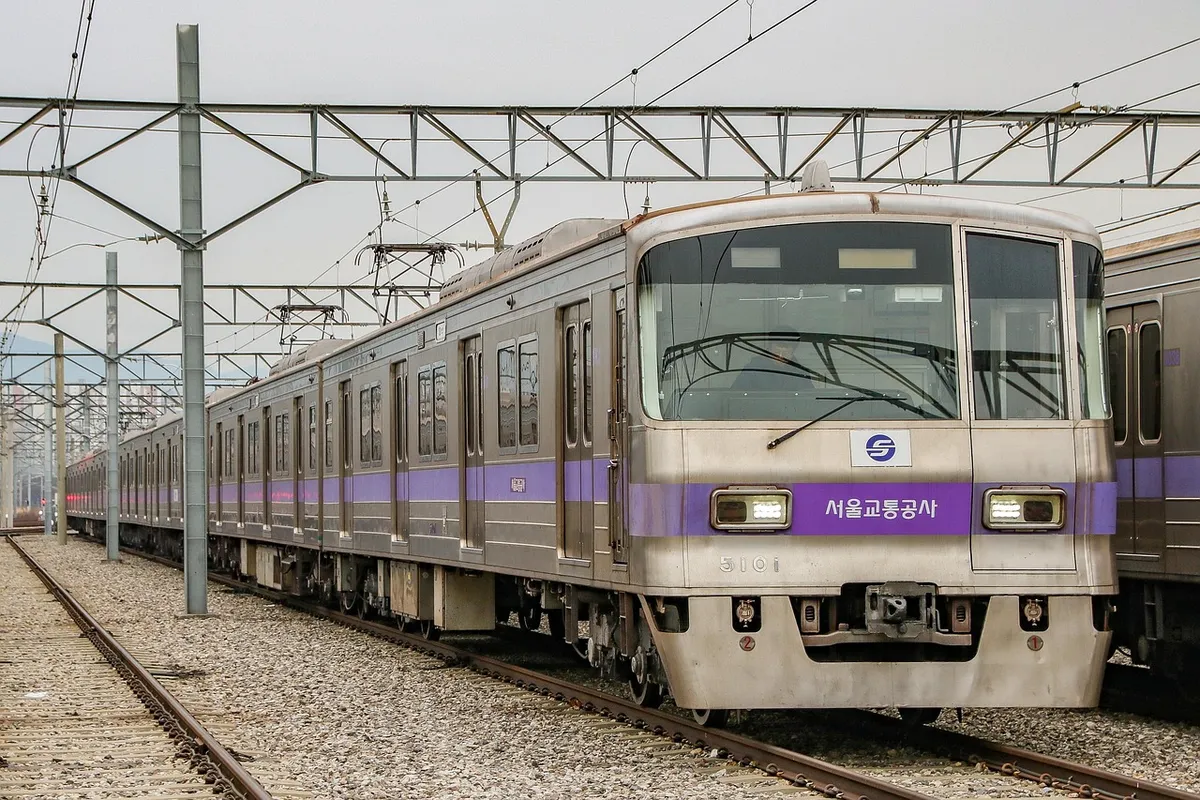
The sheer volume of movement creates a unique social atmosphere within the carriages. People from all walks of life share this temporary space, moving toward work, school, or leisure. This constant motion is the lifeblood of the metropolitan area.
Analyzing the local market study
A shopper exits a station and is immediately met with a bustling street of small storefronts and food stalls. A local market study shows how transit hubs act as magnets for commercial activity, concentrating foot traffic to support diverse businesses.
The relationship between the station exit and the surrounding street is vital for economic health. High-traffic stations often host large department stores, while smaller stops might support traditional markets or niche boutiques. This synergy drives the local economy.
Understanding the startup hub transit
An entrepreneur checks their watch while walking briskly through a sleek, modern underground corridor. A startup hub transit connection often links residential areas to innovation districts, allowing young professionals to move efficiently between living and working spaces.
Modern transit planning often prioritizes access to tech parks and business centers. These connections facilitate the rapid movement of talent and ideas, making the city more competitive. A well-connected station can become the centerpiece of a new business district.
How to navigate complex transit networks
A traveler looks up at a massive wayfinding sign, deciding which direction to turn in a sprawling underground hall. Navigating these environments requires a systematic approach to prevent getting lost in the sheer scale of the network.
- Identify your current location using the station name and exit numbers clearly posted on the platform. 2. Match your destination to the specific line color and direction indicated on the overhead signage. 3. Plan your route by checking transfer points and walking distances between lines to minimize unnecessary movement.
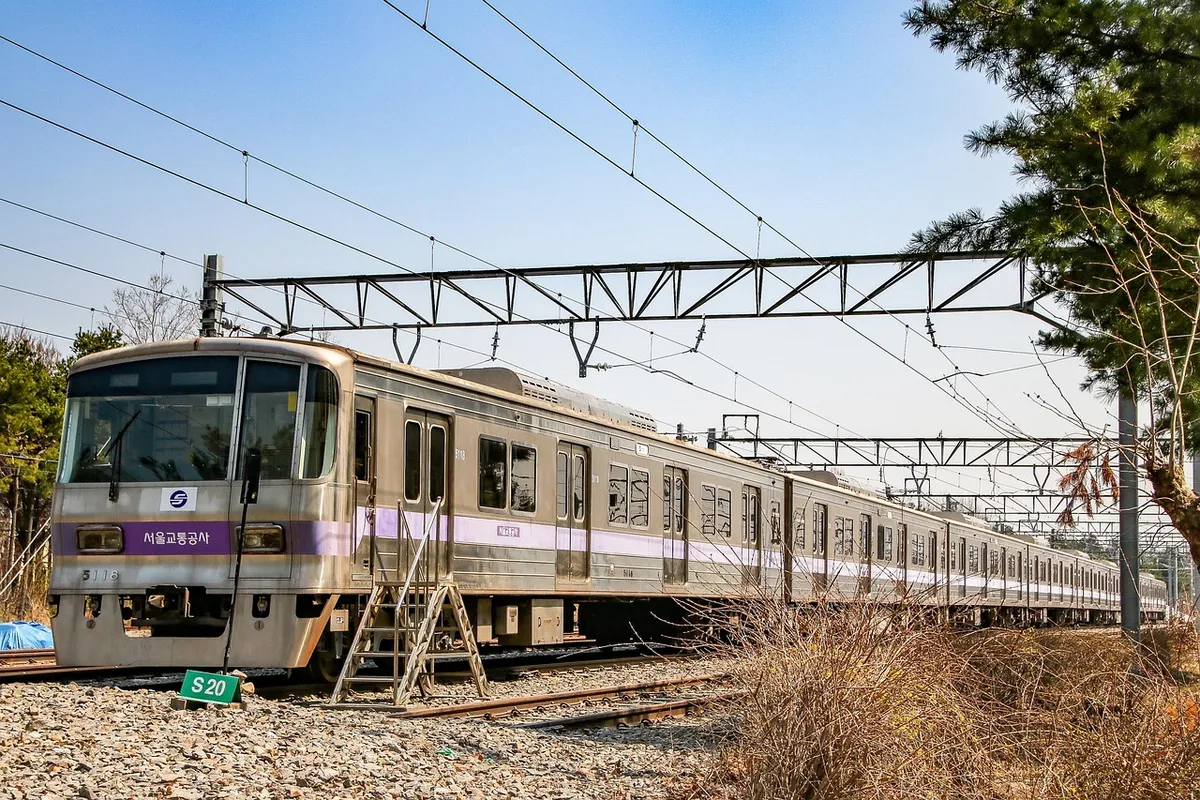
Always double-check the direction of the train before boarding to ensure you are heading toward your intended destination. I once spent twenty minutes walking in the wrong direction because I misread a terminal sign, so verifying the final stop is an essential habit.
This part also covers Subway Lineage Tour.
This part also covers Station Commerce Deep Dive.
This part also covers Urban Flow Exploration.
Subway Lineage Tour
Related
- Seoul cooling spa tips: Recovery after hot air 60 °C
- D-Tower visit guide for foreigners: Seoul weather tips
How does the city's pulse relate to the transit network?
The city's pulse is felt most acutely where the transit lines intersect with the daily rhythm of urban life. This constant ebb and flow through the underground tunnels mirrors the larger metabolic processes of the metropolis above ground.
The movement patterns observed in the subway directly reflect the functional needs of the modern city.
The transit lines act as the circulatory system for the modern city, pumping lifeblood—commuters, commerce, and ideas—through its veins. This constant flow is what sustains the vitality of the entire urban organism.
What cautions apply when using the network?
A traveler must remain acutely aware of the transient nature of the journey through the underground passages. Despite the predictable nature of the routes, the sheer scale of the network demands focused attention from the user.
Always verify the destination signage before committing to a transfer point. This diligence prevents delays in reaching the intended part of the city. The pulse of the city depends on the successful navigation of its arteries.
How does the transit network reflect the city's pulse? The city's pulse is most evident in the high-frequency operation of the subway lines. This constant movement through the underground passages mirrors the larger metabolic processes sustaining the metropolis above ground. The transit lines function as the circulatory system, pumping the lifeblood of the city through its veins.
This ebb and flow, observed in the daily journeys, directly reflects the functional needs of the modern city. The successful navigation of this system is crucial for maintaining the vitality of the entire urban organism, where the city's pulse is felt most acutely.
Travelers experiencing this density understand that the underground network is not merely transport; it is the living embodiment of the city's dynamic existence.
Wikipedia: Tourism in North Korea Based on the retained excerpt mentioning Revolutionary Site State General Bureau of Tourist Guidance Visa: List of hotels in North Korea List of tourist attractions in Pyongyang Masikryong Ski Resort Munsu Water Park Korea Central Zoo Propaganda in North Korea Revolutionary Site State General Bureau of Tourist Guidance Visa policy of North Korea Jong Hwa Sun (2017).


Comments 0