Seongsu-dong: Where Vintage Factories Meet Modern Pop-Ups
"The streets of Seongsu-dong don't just hold shops; they hold the pulse of what Seoul will look like tomorrow."
Seongsu-dong is the epicenter of Seoul's modern cultural shift, where old shoe factories meet the world's most experimental brand pop-ups. It is a neighborhood that refuses to stand still, offering a rotating gallery of fashion and lifestyle that changes almost weekly.
* Seongsu-dong offers a dynamic, ever-changing shopping experience that defies the static nature of traditional department stores. * The current scene masterfully blends vintage industrial aesthetics with modern, trend-setting brand identities. * Visiting during the evening allows you to witness the neighborhood's transformation into a social and aesthetic powerhouse. * It serves as a living microcosm of modern Seoul's rapid cultural evolution and the rise of the "experience economy."

Why Seongsu-dong is Seoul's Must-Visit Spot Now?
The sun dips behind the jagged skyline of Seongsu, casting long shadows over the red-brick facades of renovated warehouses.
I stood on the corner of Yeonmujang-gil at 4:15 PM, watching a group of young creatives move effortlessly between a heavy iron door of an old factory and the sleek, glass entrance of a luxury brand's temporary showroom.
For decades, this area was the industrial heart of Seoul, known primarily for shoe manufacturing and heavy workshops. However, as the city's population concentrated toward the capital throughout the 2020s, the need for new cultural hubs grew.
This transition from an industrial relic to a "hipster haven" happened through the rise of the experience economy. Instead of permanent, massive retail chains, the neighborhood thrives on transient pop-up stores that offer something unique for a limited time.
This shift represents a move toward "curated discovery." Unlike the predictable aisles of a mall, Seongsu-dong offers a visual juxtaposition where old, weathered concrete meets polished, minimalist branding.
This tension is exactly what draws people in; you aren't just buying a product, you are participating in a temporary installation.
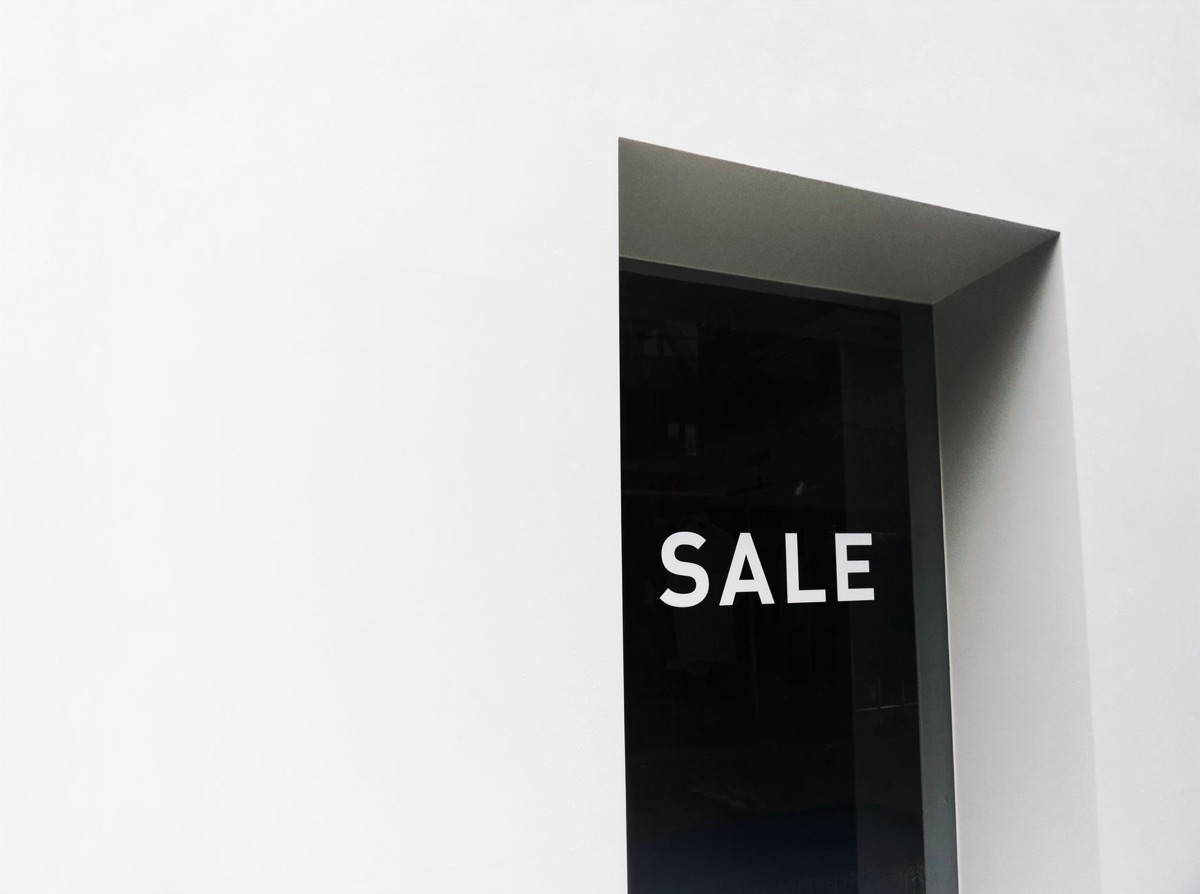
What should I see and when should I go? A neon sign flickers above a narrow alleyway, signaling the entrance to a brand that only exists in this specific building for the next two weeks.
I followed the crowd, realizing that the most interesting things in Seongsu aren't always on the main road, but tucked behind heavy metal gates or up narrow staircases.
The pop-up scene generally falls into two categories: massive brand launches that take over entire buildings and small-scale artisan collaborations that inhabit tiny, tucked-away corners.
To find the "hot spots," look for buildings that look like they belong in a different decade but feature modern, minimalist signage.
Timing is the most critical factor for a successful hunt. While the streets are active throughout the day, the most vibrant atmosphere occurs in the late afternoon and early evening.
This is when the "limited time" nature of these shops is most palpable, as the crowds peak and the energy shifts from quiet browsing to active engagement.
- Arrival: Head to the neighborhood in the late afternoon, around 3:00 PM, to see the transition.
- Observation: Walk the streets without a fixed map to spot temporary signage and crowds.
- Engagement: Enter the pop-ups that catch your eye; the best way to understand the neighborhood is to step inside the temporary.
Concept Stores vs. Flagship Shops: Knowing the Difference
Walking into a massive, multi-story flagship store feels like stepping into a polished future, but stepping into a concept store feels like stepping into someone's carefully curated living room.
I once spent an hour in a small Seongsu shop that sold nothing but ceramics and vintage magazines, realizing that the "vibe" was the primary product.
It is important to distinguish between a flagship shop and a concept store. A flagship store is usually the primary, large-scale showroom for a single brand, designed to showcase their full identity. In contrast, a concept store acts as an editor.
The owner selects a mix of different brands—fashion, home goods, and specialty lifestyle items—to create a specific narrative or "mood."
| Feature | Flagship Shop | Concept Store |
|---|---|---|
| Primary Focus | Single brand identity | Curated mix of various brands |
| Product Range | Full brand collection | Niche, lifestyle-oriented goods |
| Atmosphere | Highly controlled branding | Eclectic and editorial |
| Goal | Brand immersion | Lifestyle inspiration |
These concept stores reflect the modern "Seoul lifestyle," blending minimalism with maximalist displays of personality. They allow visitors to even see how Korean aesthetics—often a mix of high-tech and traditional textures—are being applied to everyday objects.
What is the evening vibe like in Seongsu-dong? As the streetlights hum to life, the industrial backdrop of Seongsu-dong undergoes a transformation. The heavy, dark textures of the old factories become moody and cinematic, turning the neighborhood into a playground for photography and social gathering.
The evening allows for a natural flow from shopping to socializing. After spending the afternoon hunting through pop-ups, the local dining scene becomes the next destination.
You will find everything from high-end fusion restaurants tucked into basement levels to trendy wine bars located in former workshops.
The transition from daylight to darkness shifts the energy from "browsing" to "socializing." I noticed that the most successful spots in the area often have a dual identity: a bright, airy cafe during the day that transforms into a dimly lit, sophisticated bar at night.
- Shop: Spend the afternoon exploring the streets and pop-ups.
- Cafe/Bar: Transition to a local cafe for a late afternoon break.
- Observe: End the night at a local bar to watch the local creative scene interact.
Making the Most of Your Visit: Practical Tips for International Travelers
The subway doors slide open at Seongsu Station, and the sudden surge of people reminds me that this is one of the most active transit hubs in the city. According to World Bank, South Korea recorded international tourist arrivals of 2,519,000 in 2020.
I checked my phone for the quickest route back to my hotel, realizing that while the streets are walkable, the neighborhood is larger than it looks on a map.
For international travelers, accessibility is straightforward. Seongsu is easily reached via Seoul Subway Line 2, which connects it directly to major hubs like Hongdae and Gangnam.
While much of the neighborhood is best explored on foot, the streets can be hilly and the walking distances between specific pop-ups can be significant.
Budgeting for Seongsu requires a balance. You will find luxury flagship stores that cater to high-end shoppers, but the neighborhood is equally famous for affordable, trendy street fashion and affordable local eateries.
Using a T-money card for transit is essential for moving between the various districts of Seoul efficiently.
- Transport: Use the subway (Line 2) as your primary way to arrive.
- Walking: Wear comfortable shoes; you will be walking through industrial streets and up stairs.
- Apps: Download a reliable navigation app like Naver Maps or KakaoMap, as Google Maps is often less precise for walking directions in Korea.
#


Comments 0