SeoulTech Campus: A Green Oasis in Nowon-gu's Urban Core
"Walking through these gates feels less like entering a school and more like stepping into a quiet, green city within a city."
If you find yourself wandering through the northern reaches of Seoul, you might stumble upon a massive, lush expanse of greenery that seems out of place among the high-rise apartments.
This is the Seoul National University of Science and Technology, and its scale is a testament to how Seoul has grown over the decades.
* Massive Scale: The campus represents a significant land footprint within the Nowon-gu district. * Strategic Location: Situated in a residential hub, it serves as a vital educational anchor. * Affordability & Value: It maintains a unique financial structure compared to private institutions. * Visitor Appeal: The campus offers a peaceful, park-like atmosphere perfect for a break from urban congestion.
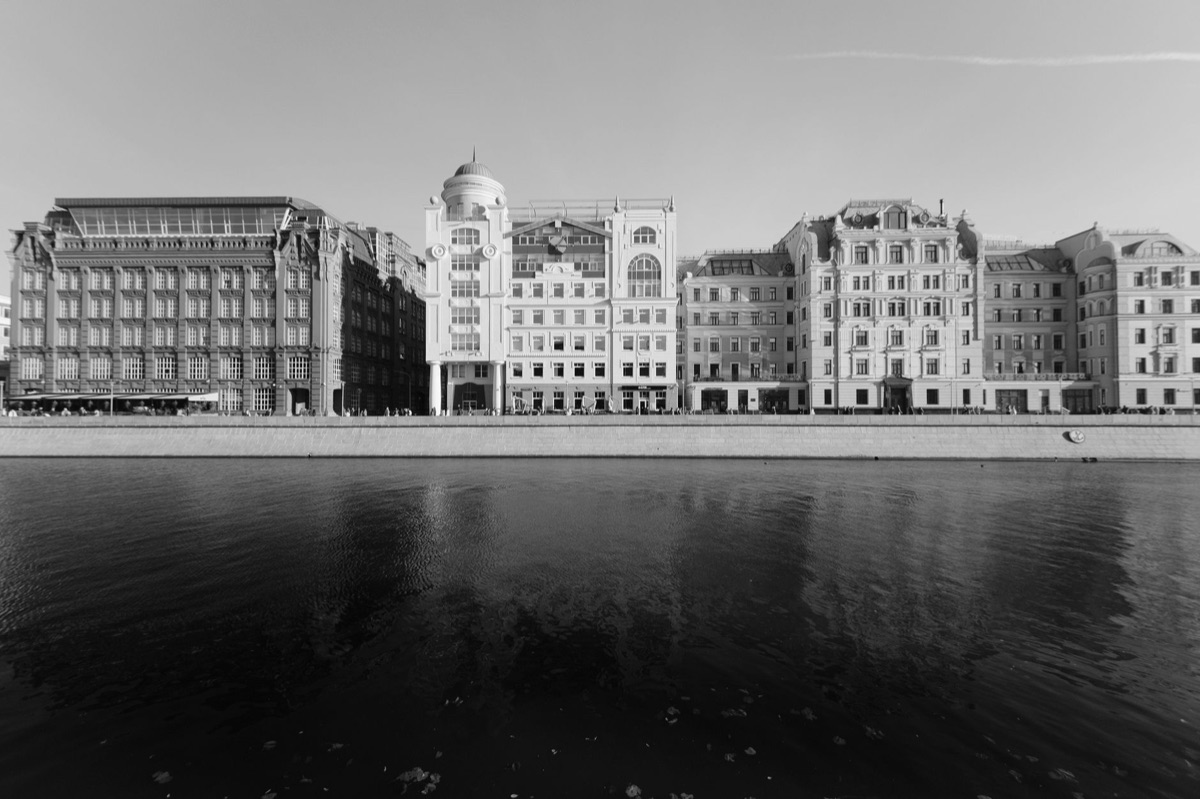
How Vast is the SeoulTech Campus?
I remember standing at the main gate at 10:00 AM on a Tuesday, looking down a long, paved path that seemed to stretch toward the horizon, wondering if I had actually entered a university or a botanical garden.
The sheer openness of the grounds is a striking contrast to the dense, narrow alleys of central Seoul.
The campus has undergone significant transformations over the years to accommodate its growing role in Korean science and technology.
Historically, Seoul underwent massive shifts in its urban footprint; for instance, two consecutive expansions more than doubled the size of Seoul from approximately 268 km2 (103 mi2) to 613 km2 (237 mi2) in its earlier developmental stages.
While the campus itself is a subset of this massive city, its expansion reflects that same drive for growth and space management. The land area covered by the campus is substantial, providing a buffer of greenery in the middle of the Nowon-gu residential sprawl.
Unlike the cramped, vertical campuses found in more central districts like Myeongdong or Jongno, SeoulTech utilizes its horizontal space to integrate research facilities, student housing, and landscaped walkways. This layout makes it feel much larger than a typical urban school.
The relationship between the campus and the city is one of constant adjustment. As Seoul grew, institutions like this had to find ways to maximize their footprint.
The current layout is a result of decades of planning to ensure that as the student body grew, the physical environment could support high-level technical research and student life.
But size isn't the only thing that defines this place.

SeoulTech’s Role in Modern Higher Education
A student sat on a concrete bench near the engineering building at noon, looking over a thick textbook while sipping a coffee, looking entirely at home in the quiet atmosphere. It wasn't just a place of study; it felt like a specialized ecosystem designed for technical mastery.
In 2014, 47% of tuition was reused for scholarships.
SeoulTech serves as a leading technical institution, focusing heavily on the practical application of science and engineering. This mission is supported by a specific financial model that makes high-level education accessible.
According to Wikipedia, the school's current tuition only amounts to 40% of an average private university's costs and 80% of tuition fees charged by other national universities.
This makes it a highly competitive and attractive option for students looking for quality without the prohibitive costs of private institutions.
The university also demonstrates a commitment to its student body through strategic reinvestment. For example, in 2014, 47% of tuition was reused for scholarships, according to Wikipedia.
This focus on using resources to support student success helps maintain its reputation as a premier destination for those pursuing technical careers.
By balancing high-tech research with an accessible cost structure, the campus acts as a bridge between traditional academic excellence and the practical needs of Korea's rapidly evolving economy. It is a place where the scale of the land meets the depth of the research.
However, navigating such a sprawling area requires a bit of a game plan.
How to Navigate the Campus Ecosystem
I pulled out my phone to check the subway map at the entrance, realizing that while the campus looked endless, it was actually quite easy to navigate using the local transit system. The transition from the bustling street to the quiet campus greenery happened almost instantly.
For visitors, the best way to experience the campus is to enter through the main gates and walk toward the central administrative and academic blocks. The campus is designed with clear pathways, making it easy to walk from one end to the next.
If you are looking for quiet spots, the peripheral walking paths offer a peaceful escape from the city noise.
Because the campus is so large, it is helpful to follow a logical route. Here is a quick guide to getting your bearings:
- Identify the Main Gate: Start at the primary entrance to orient yourself with the central administrative and academic blocks.
- Locate the Transit Hub: Find the nearest subway station or bus stop to understand your exit route.
- Map the Zones: Recognize the difference between the active student hubs and the quiet, peripheral walking paths.
- Plan Your Walking Route: Decide whether you want to stick to the central paved paths or explore the landscaped greenery.
If you are visiting as a tourist, think of this as a "neighborhood exploration" stop. It is a perfect way to see a different side of Seoul—one that is academic, orderly, and green. It provides a glimpse into the daily life of the people who drive Korea's technological future.
But why does this specific area feel so different from the rest of the city?
Seoul’s Urban Context: Where Does Nowon-gu Fit?
Looking out from a high window in a nearby apartment building at dusk, the campus looked like a giant green rug laid out over the gray city. It was a reminder of how much space is still carved out for community and education within the metropolitan sprawl.
According to World Bank, South Korea recorded share of internet users of 97.9% in 2024.
Nowon-gu is a vital part of the Seoul metropolitan area, which is a massive, interconnected region. The concentration of people in the capital has been a distinct trend, as seen in the rise from 49.1% in 2010 to 49.8% in 2018.
This concentration of people makes high-density residential areas like Nowon-gu essential, and institutions like SeoulTech provide the necessary infrastructure for this massive population.
The growth of the campus is intrinsically linked to the growth of Seoul itself. As the city's population concentrated in the capital, the need for specialized, large-scale educational hubs became more pressing.
The campus acts as a localized center for the surrounding community, providing not just education but also a sense of space in a crowded metropolis.
| Feature | Private University Typical | SeoulTech Campus |
|---|---|---|
| Tuition Level | 100% (Base) | 40% of Private Average |
| Space Utilization | Often Vertical/Compact | Large Horizontal Footprint |
| Primary Focus | Diverse Academics | Science & Technology |
| Atmosphere | Urban/Dense | Park-like/Spacious |
It is important to note that while the campus offers a sense of escape, it is still a functional academic environment. It is not a public park, and certain areas may be restricted to students and faculty.
As the city continues to evolve, the role of these large campus environments will likely only grow. They serve as the lungs and the brains of the urban landscape, providing both the space to breathe and the knowledge to move forward.






Comments 0