Subway transfer guide: Line 9 extended, plan your journey
"A single transfer can change the entire trajectory of a commute, turning a stressful journey into a seamless transition."
The best way to manage a subway transfer involves understanding line connectivity and planned expansions to minimize walking distances. This guide explores optimizing travel through network awareness and strategic routing.
* Understand line extensions and transfer points for future connectivity. * Recognize the importance of station-to-station proximity. * Note specific fare exceptions for certain lines.
How can passengers prepare for a subway transfer?
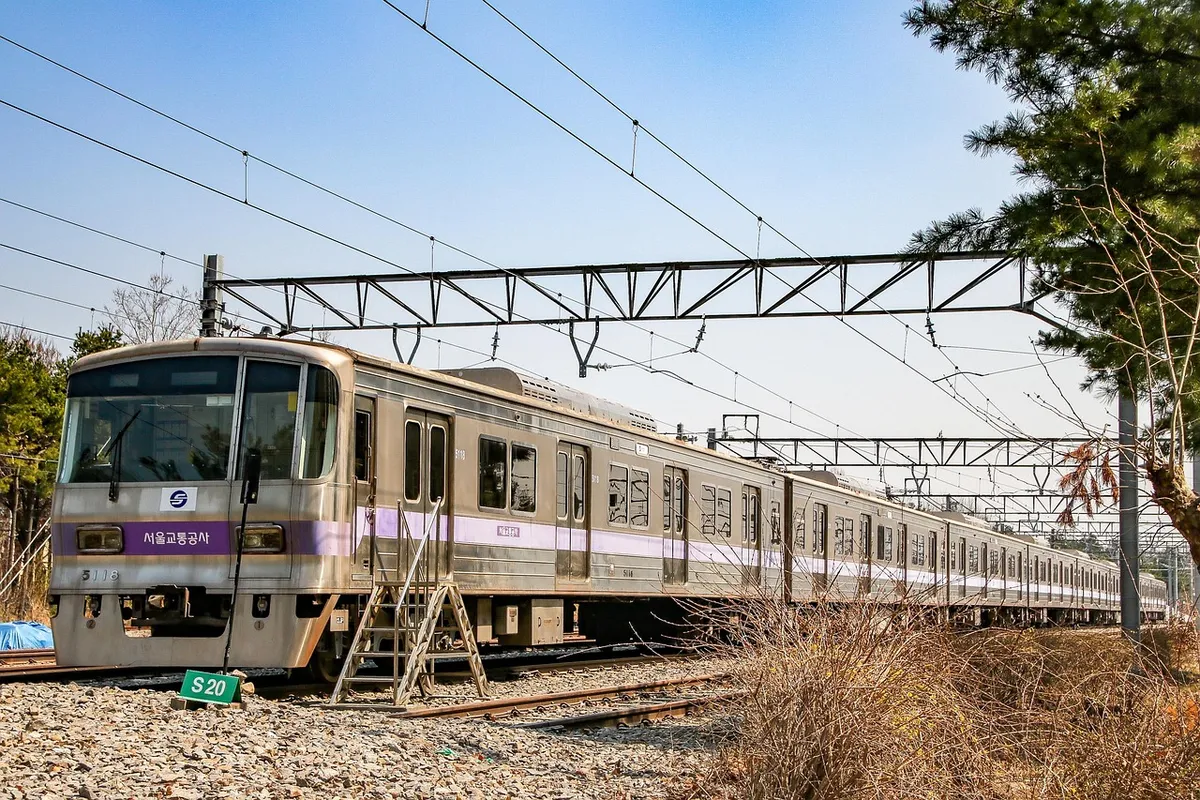
At dawn, a commuter grips their heavy bag and scans the glowing terminal map to prepare for a seamless subway transfer.
A commuter stands at the edge of a crowded platform, eyes scanning the overhead signage while checking a digital map on a smartphone. They look for the exact intersection where two lines meet to ensure they do not miss their connection.
Effective transit route planning starts with understanding the current and future layout of the rail network.
Keeping an eye on these changes helps in long-term transit route planning.
By knowing where new transfer points will emerge, passengers can anticipate shifts in traffic flow and platform locations. This foresight is essential for maintaining a consistent subway journey flow during seasonal or structural changes.
- Check the real-time arrival status of both lines.
- Identify the specific exit or platform location for the connecting train.
- Confirm that your transit card has sufficient balance for the trip.
What makes a subway transfer efficient? Subway transfer guide
A passenger rushes through a brightly lit underground corridor, moving swiftly between two different colored lines to catch a departing train. The sound of footsteps echoes against the tiled walls as they navigate the stairs.
Efficiency in transit is often determined by how well the lines intersect and how much time is required to move between platforms.
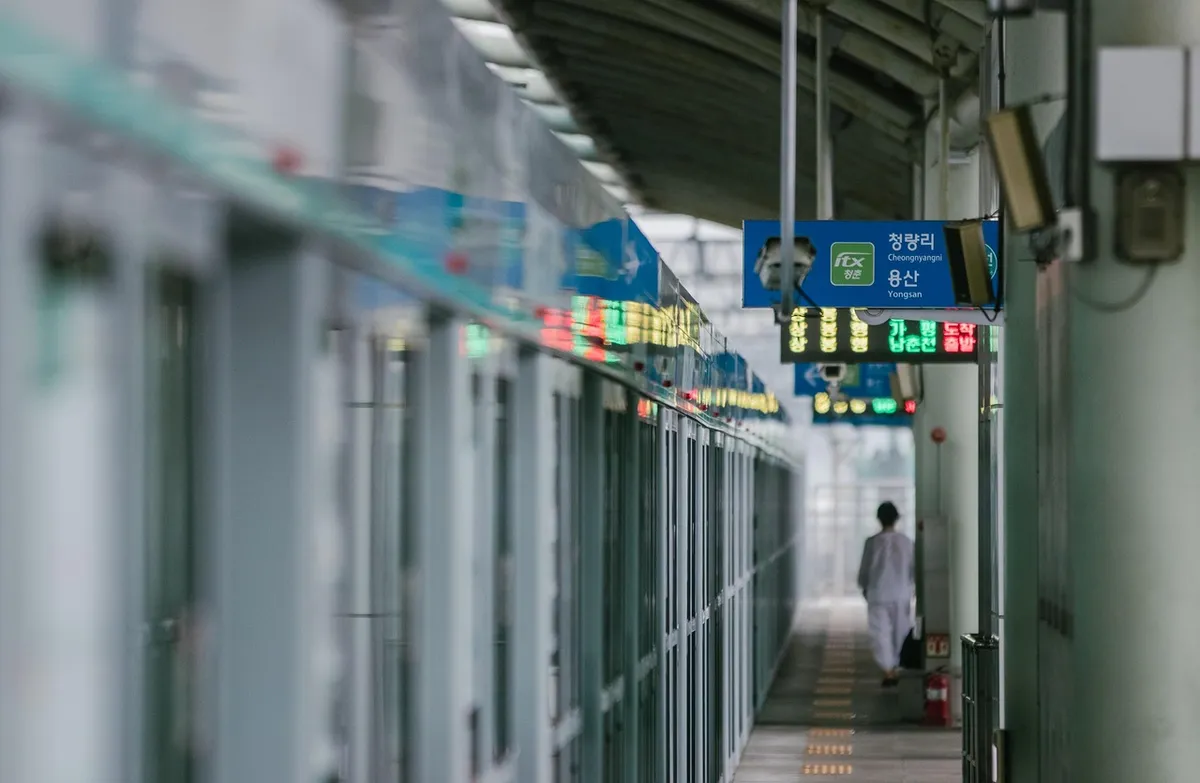
For instance, a subway rider can transfer to any other line for free, with the exception of Shinbundang Line, EverLine and U Line, the latter two adding a flat charge of 200 and 300 won respectively. Managing these specific fare rules is a vital part of optimizing travel time.
Understanding these nuances helps avoid unexpected costs at the turnstile. A well-informed rider uses this knowledge to choose the most cost-effective and time-efficient paths.
In this sequence, the second step is the most critical.
How do commuters manage transit route planning?
A traveler sits on a bench near a station entrance, marking a specific route on a paper map to visualize the connection points. They trace the lines with a finger, calculating the distance between the current station and the next.
Successful transit route planning requires a deep understanding of the total network scale. As of 2022, the network has 331.5 km (206.0 mi) of track on lines 1–9 alone. This vast distance means that knowing the specific track length and coverage is helpful for understanding the scope of the journey.
When planning, one must consider the total distance to be traveled across various lines. This level of detail ensures that the subway journey flow remains uninterrupted by sudden route changes.
What are the best transfer times to consider?
A person checks their wristwatch while standing in a quiet station, waiting for the arrival of the next train during an off-peak hour. The platform is mostly empty, providing a brief moment of calm before the next rush.
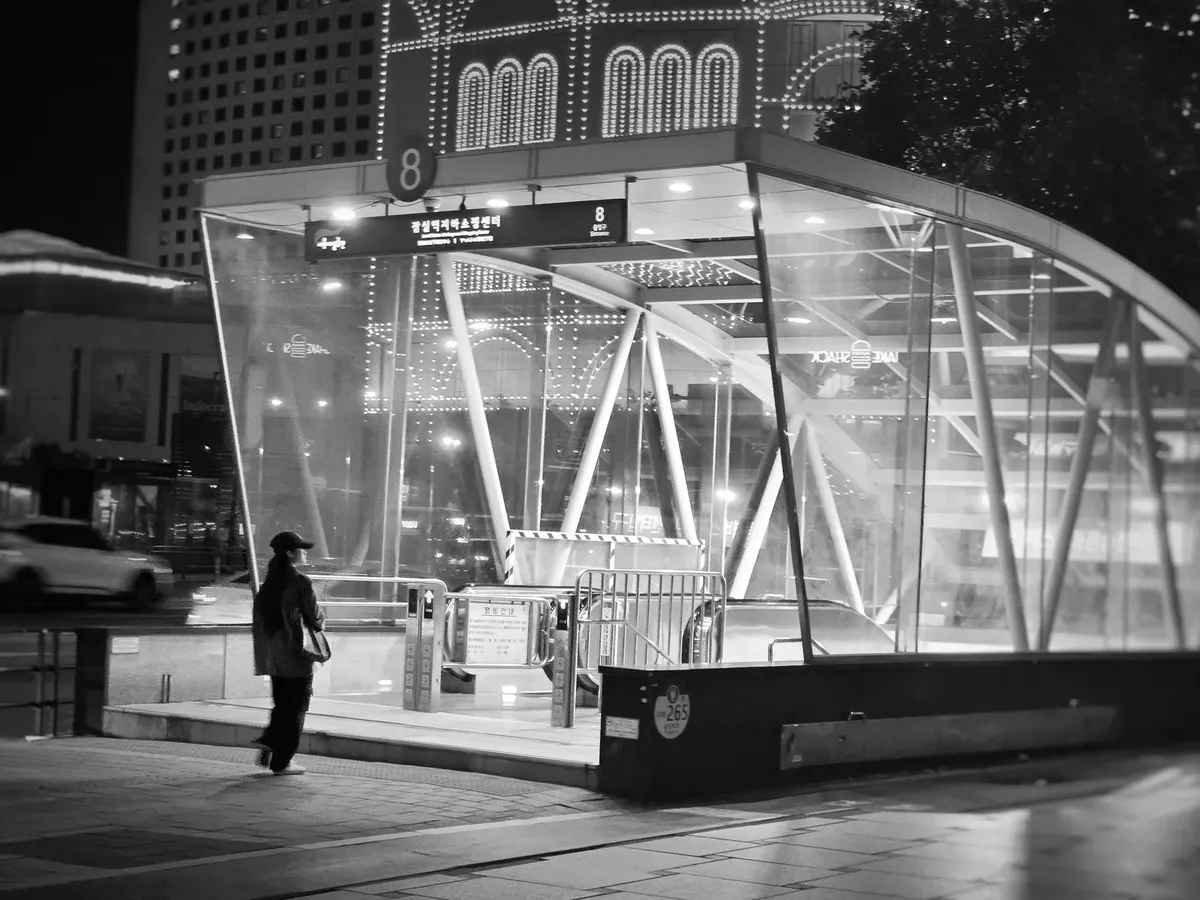
While peak hours are often the most crowded, selecting the best transfer times can significantly reduce the stress of navigating busy stations.
Some regional lines in the network stretch out beyond the Seoul Metropolitan Area to rural areas in northern Chungnam province and western Gangwon Province, that lie over 100 km (62 mi) away from the capital.
Timing a transfer to avoid the heaviest crowds can prevent the exhaustion of long walks between distant platforms. This strategy is particularly useful for those traveling long distances.
How do you handle a subway transfer in a large network?
A commuter stands in the middle of a massive terminal, looking up at the multi-level ceiling and multiple directional signs. They take a deep breath, preparing to navigate the complex layers of the underground hub.
Navigating transfers in a massive system requires a step-by-step approach to ensure accuracy.
- Identify the target line and direction on the current platform. 2. Locate the specific transfer signage that indicates the walking path to the intersecting line. 3. Follow the color-coded floor markings or overhead signs to the new platform.
After completing these steps, a final check of the train's destination on the platform display ensures the passenger is on the correct side. This methodical approach helps in navigating transfers without getting lost in large hubs.
Is there a limitation to transfer optimization?
A traveler pauses at a gate, looking at the fare screen and realizing the cost difference for a specific line. They hesitate for a moment before tapping their card to proceed.
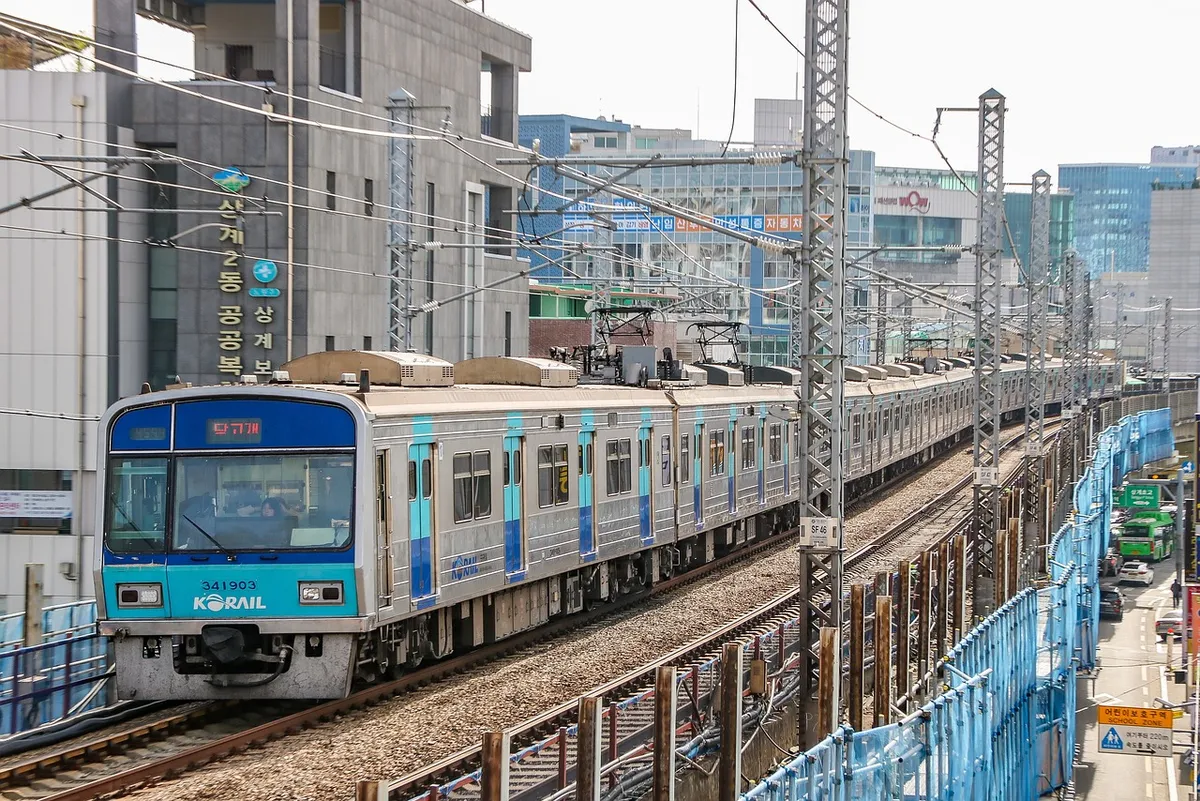
One limitation to simple transfer optimization is the presence of unique fare structures on specific lines.
For example, a subway rider can transfer to any other line for free, with the exception of Shinbundang Line, EverLine and U Line, the latter two adding a flat charge of 200 and 300 won respectively.
This means that a route that seems geographically efficient might be more expensive due to these specific line charges. Travelers must balance time savings against these extra costs.
The subject here is Subway transfer guide.
The same subject is also called Metro transfer tips.
The same subject is also called Efficient transfer guide.
Related
- Seoul subway Tmoney guide: 30 minutes transfer window guide
- Seoul subway Tmoney guide: Tips for easy travel
Why is line connectivity crucial for a successful single transfer?
The physical arrangement of the rail lines dictates the feasibility of a quick connection. A passenger must visually confirm the intersection point on a map to ensure the intended transfer is possible between the two lines.
This awareness prevents wasted time searching for a connection that does not exist or is too distant to manage efficiently.
Understanding the line extensions allows riders to plan journeys that incorporate future network additions. Knowing where Line 9 will connect to Line 5 in the future helps in long-term travel mapping.
This foresight aids in making the most of the current infrastructure while anticipating future improvements.
Wikipedia: Seoul Metropolitan Subway Based on the retained excerpt mentioning Medical Center: Line 9 will be extended 4 stations eastwards from VHS Medical Center station to Saemteo Park station, with a transfer with Godeok station on Line 5 by 2028.






Comments 0