Seongsu vs. Hongdae: Decoding Seoul's Style DNA in Pop-Ups
"Seoul isn't just a destination; it's a constantly evolving runway, and pop-ups are the backstage passes to its cutting-edge fashion scene."
If you walk through the streets of Seoul today, you aren't just looking at shops; you are stepping into living, breathing art installations that might be gone by next Tuesday.
Key Takeaways * Pop-up stores offer a deeper, more interactive way to experience current Seoul fashion compared to traditional retail. * Seongsu-dong and Hongdae serve as the primary engines for the city's trend-driven identity.
* Success in navigating Seoul's fashion scene requires digital awareness and a flexible itinerary to catch transient events.
Why Pop-ups Define Modern Seoul Style
I stood in a converted warehouse in Seongsu at 2:15 PM last Tuesday, surrounded by the scent of roasted coffee and the low hum of a crowd waiting to enter a limited-edition sneaker installation.
There were no aisles of clothing, just a massive, moving sculpture made of recycled fabric and a single, perfectly lit mannequin.
In the hyper-competitive Seoul market, brands use pop-up stores as a laboratory. These spaces allow designers to test radical concepts and niche aesthetics before committing to a permanent retail footprint.
It is a way to gauge consumer reaction in real-time within one of the most trend-sensitive cities in the world.
These spaces are moving far beyond the simple transaction of "pick up item, pay, leave." They are experiential hubs where shopping merges with content consumption. You aren't just buying a jacket; you are stepping into a curated world designed specifically for social media engagement.
The synergy between digital hype and physical reality is the engine of this movement. A brand might build massive buzz on Instagram or TikTok, creating a digital "hunger" that drives thousands of people to a physical location for a fleeting moment.
This digital-to-physical pipeline ensures that every visit feels like an exclusive event.
But understanding the "why" is only half the battle. To actually find these treasures, you have to know which streets to haunt.
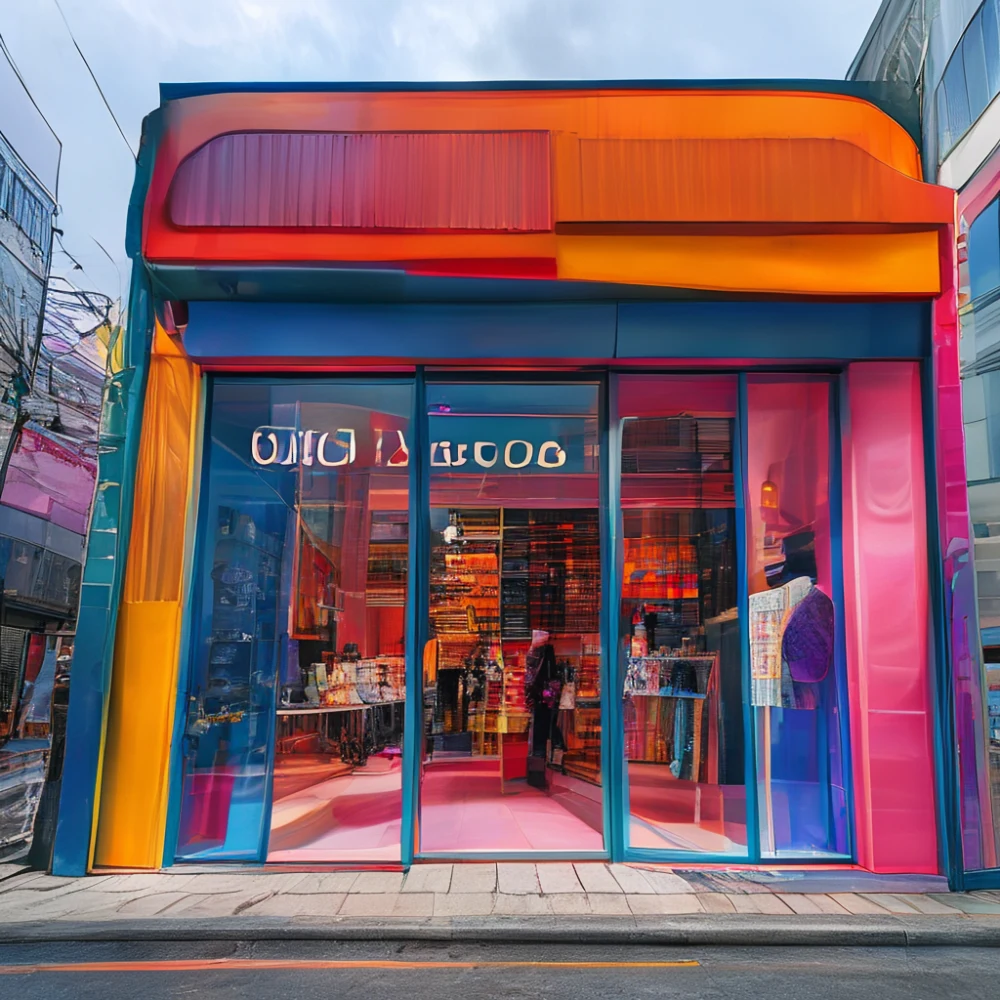
Seongsu or Hongdae: Where is the real fashion? The sun hit the red brick buildings of Seongsu-dong at 11:00 AM as I navigated a narrow alleyway, stepping over a puddle to avoid a designer's experimental footwear display. The transition from industrial grit to high-fashion luxury was almost jarring.
Seongsu-dong has become the capital of "Industrial Chic." Once a district defined by shoe factories and small manufacturing plants, it has undergone a massive revitalization. Now, these massive, high-ceilinged spaces house flagship pop-ups for global luxury brands and cutting-edge local labels.
The vibe is sophisticated, architectural, and slightly moody. You will find heavy-weight denim, avant-garde silhouettes, and high-end streetwear dominating the scene here.
In contrast, Hongdae offers a completely different energy. If Seongsu is the polished professional, Hongdae is the rebellious student. As a center for youth culture, Hongdae is packed with independent designers and vintage curators.
The fashion here is much more expressive, eclectic, and experimental. It is the place to find gender-neutral styles, DIY aesthetics, and the "indie" spirit that defines the younger generation.
To make the most of your trip, treat these neighborhoods as two distinct personalities. Spend a morning in Seongsu to witness how heritage architecture meets modern luxury, then head toward Hongdae to see how the next generation of creators is breaking the rules.
However, knowing the neighborhood is just the starting point. You also need to understand the lifestyle that surrounds the clothes.
What is the lifestyle behind the stores in Seoul? I sat in a cafe in Hannam-dong at 4:30 PM, watching how the minimalist furniture perfectly complemented the oversized linen shirts worn by the patrons. It felt less like a cafe and more like a curated showroom.
According to World Bank, South Korea recorded international tourist arrivals of 2,519,000 in 2020.
The "Seoul Pattern" describes how fashion is never isolated; it spills into every aspect of lifestyle. A pop-up isn't just about clothes; it involves curated cafe menus, specific interior design themes, and artisanal goods that complement the brand's identity.
Shopping in Seoul is an all-encompassing sensory experience.
There is also a tight link between these fashion movements and K-Culture. The aesthetics showcased in these pop-up spaces often mirror the visual storytelling found in K-Pop music videos.
When a major idol group collaborates with a brand, the resulting pop-up becomes a pilgrimage site for fans looking to inhabit the same visual world as their favorite artists.
Even older or more traditional areas like Euljiro are being pulled into this orbit. The "Newtro" (new + retro) trend has seen old print shops and hardware alleys transformed into trendy spaces where vintage-inspired fashion meets modern lifestyle.
This adaptability shows how deeply the trend-driven culture has permeated the city's urban fabric.
But how do you actually navigate this moving target without missing out?
Maximizing Your Visit: A Visitor's Action Plan
I checked my phone one last time at 10:00 AM before stepping into the queue, confirming the pop-up's closing date on a local lifestyle app. If I hadn't checked, I might have arrived to find nothing but an empty storefront.
Because these spaces are transient, pre-visit research is mandatory. You cannot rely on a static guidebook. Use social media platforms and local lifestyle apps to confirm active dates and specific concept themes.
A pop-up that is "open" might actually be in a transition period or require a reservation via a digital queue.
To ensure you don't miss the magic, follow this checklist:
- Verify the Window: Check the official Instagram of the brand to confirm the exact end date. Many pop-ups close abruptly on a Sunday evening.
- Check the Entry Method: Determine if the venue uses a "walk-in" policy or a digital reservation system like KakaoTalk.
- Plan the Route: Group your visits by neighborhood. Do not try to visit a Seongsu pop-up and a Hongdae pop-up in the same afternoon; the transit time will kill your momentum.
- Prepare for the Queue: Many successful pop-ups require waiting. Bring a portable battery and a way to pass the time.
- Document the Details: Capture the intersection of the installation art and the styling.
When hunting for the best experiences, look for the balance between scale and curation. While massive brand activations are impressive, the smaller, highly curated installations often offer more unique design insights.
Look for "hidden" pop-ups in second-floor spaces or basement galleries to find the true gems.
| Feature | Seongsu-dong | Hongdae |
|---|---|---|
| Primary Vibe | Industrial, Sophisticated, Luxury | Youthful, Indie, Eclectic |
| Best For | Designer labels & Flagships | Independent designers & Vintage |
| Space Type | Converted factories & Large halls | Narrow alleys & Small boutiques |
| Energy Level | Curated & Polished | High-energy & Chaotic |
Seoul's Urban Fabric: Contextualizing the Trends
The sheer scale of the city can be overwhelming, but the density actually fuels the rapid-fire pace of the fashion scene. Seoul is a massive metropolis, with the city proper comprising 605.25 km2, roughly bisected into northern and southern halves by the Han River.
This density allows for a rapid turnover of ideas. Because so many people live and work in close proximity, a trend can be born, peak, and evolve within a single season.
The high-speed nature of South Korean consumer culture is a direct result of this concentrated population and the digital connectivity that binds it.
The digital backbone of the city enables this constant flux. High-speed internet and ubiquitous mobile usage mean that a new pop-up can be announced in the morning and be crowded by the afternoon. This creates a sense of urgency that makes visiting Seoul a unique, time-sensitive adventure.
#

Comments 0